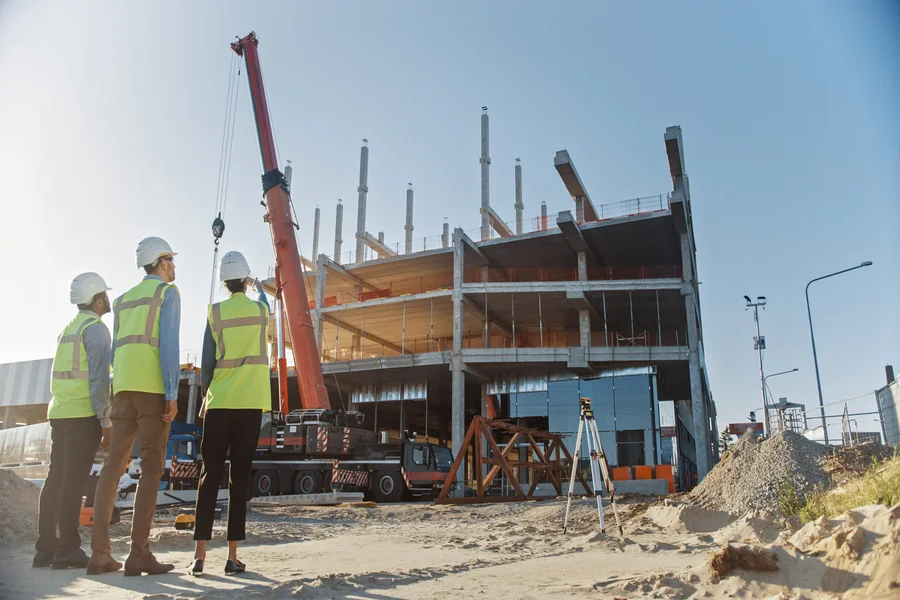
Construction projects test your patience, money, and trust. One missed clause in a contract can wreck a schedule, drain savings, or trigger a lawsuit. You face constant pressure from contractors, lenders, inspectors, and local agencies. Each one has different rules and goals. A real estate attorney shields you from hidden traps and confusing language. You gain clear terms, clean title, and strong protection when things go wrong. An attorney spots risks before you sign anything. You also get help with zoning, permits, and tough neighbors. If you work with an attorney in Los Angeles, CA you also face strict local codes and fierce competition for land. That pressure creates room for conflict. A real estate attorney does not just react to disputes. Instead, the attorney plans for them, limits them, and often stops them before they start. You stay focused on building, not battling.
Why you need legal help before the first shovel
You face three hard truths at the start of any project. Land is expensive. Rules are complex. Mistakes are permanent. Once you sign a contract or record a deed, you carry that choice for years.
A real estate attorney helps you:
- Choose the right way to hold title
- Check for liens, easements, and old claims
- Match your plans to zoning rules and building codes
The attorney reads every promise on paper. You get clear terms on price, scope of work, change orders, and deadlines. You also get clear triggers for penalties and walk away rights. That clarity cuts confusion and anger when the work gets hard.
Contracts that protect you when things go wrong
Construction contracts control what happens when plans change, supplies run short, or crews delay work. Without strong language, you pay for other people’s choices.
Your attorney focuses on three key sets of terms.
- Money terms. How and when you pay. What happens if work is late or poor. How change orders work.
- Risk terms. Who carries insurance. Who pays for injuries or property damage. How warranties work.
- Control terms. How you approve plans. How you inspect work. How you end the contract.
Each clause either shields you or exposes you. A real estate attorney knows local customs and court patterns. You get terms that stand up when tested.
Land use, zoning, and permits
Even a small project can trigger many rules. You may face zoning limits, height rules, parking rules, and stormwater rules. You also may need hearings or public notice.
The attorney helps you read local codes and state law. For example, you can review zoning basics through resources from the Chester County Planning Commission. With legal help, you can match your design to what the law allows. You also plan for setbacks, access, and use of public space.
Permits can stall a project for months. An attorney tracks which agency needs which document. You then submit full, clean packets. That reduces rejections and surprise stops.
Common disputes an attorney can prevent
Most construction fights fall into three groups. You can prepare for each one.
- Payment disputes. Claims over unpaid work, extra work, or late work.
- Quality disputes. Fights over defects, code violations, or missed specs.
- Neighbor disputes. Complaints about noise, dust, access, or damage.
A real estate attorney sets clear rules for invoices and proof of work. The attorney also builds in inspection rights and cure periods. You get calm steps instead of instant lawsuits.
Neighbor issues can become personal and bitter. An attorney uses easements, access agreements, and notice letters. You show respect for nearby homes while you protect your site.
How an attorney compares with other professionals
You may already work with a contractor, architect, and lender. Each one plays a role. Yet none can replace legal counsel.
| Role | Main focus | Limits without an attorney
|
|---|---|---|
| Contractor | Builds the project and manages crews | Protects own contract. Does not review your title or legal risk. |
| Architect | Designs plans and checks code fit | Focuses on design. Does not handle disputes or ownership terms. |
| Lender | Finances the project | Protects its loan. These terms that may strain your cash flow. |
| Real estate attorney | Protects your rights and property | Not bound by design or build goals. Focuses on your legal safety. |
Protecting families and small owners
Large firms keep legal teams close. Small owners often wait until there is a crisis. That delay costs more money and sleep. You may risk your house, savings, or retirement.
An attorney helps you set limits before you sign personal guarantees. You can also use clear leases, joint venture terms, or trust structures. These tools can shield your family from business loss. The United States Small Business Administration shares guidance on contracts and risk in the SBA business guide. Pair that guidance with direct legal help in your state.
When to bring in a real estate attorney
Do not wait for a lawsuit. You gain the most when you involve counsel early. Aim for three key points.
- Before you buy or lease land
- Before you sign any construction or design contract
- Before you respond to a serious dispute or demand letter
Each step shapes the next one. With a real estate attorney, you trade guesswork for clear choices. You protect your project, your property, and your peace of mind.