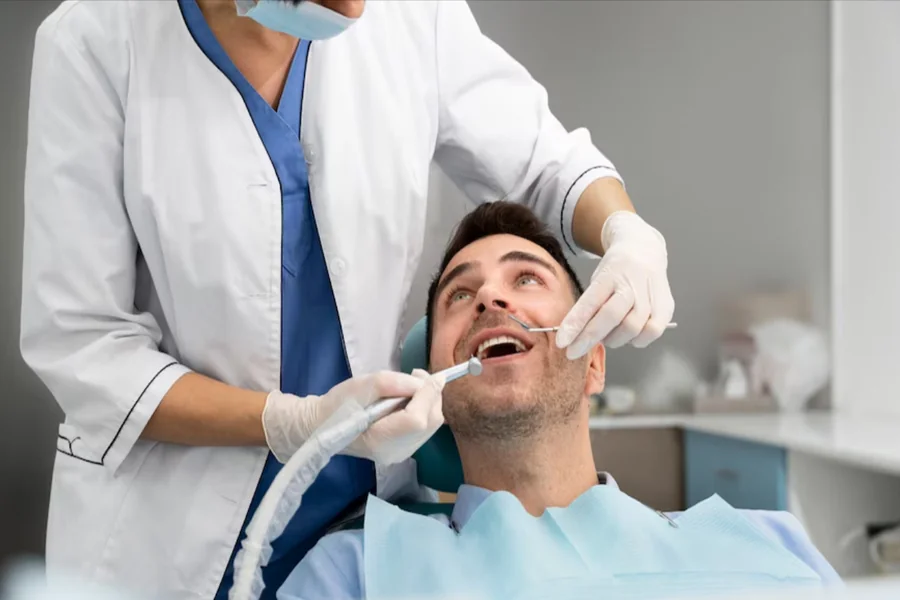
Preventive dentistry protects your mouth and your wallet. When you brush, floss, and see a dentist on a regular schedule, you catch small problems early. You treat a tiny cavity. You clean away deep plaque. You adjust a bite before it wears down teeth. Each simple visit stops pain and stress later. It also cuts down the chance you will need root canals, extractions, or emergency care. Those treatments cost far more than a checkup and cleaning. Local care matters too. An orthodontics dentist in Joliet, IL can spot crowding, grinding, and jaw issues before they damage teeth. Early care means fewer broken teeth and fewer lost workdays. Over time, steady preventive care builds strong habits. It gives you control over your health and your budget. This blog explains how small steps today shrink your oral health costs over many years.
How Tooth Decay Turns Into Big Bills
Tooth decay starts small. A soft spot in the enamel. A bit of food trapped between teeth. At this stage, treatment stays simple and cheap. A dentist cleans the spot and places a small filling. You leave the office the same day. You eat and work without trouble.
Then time passes. The spot grows. Bacteria reach the inner part of the tooth. Pain begins. You might need a root canal and a crown. If decay spreads more, you might lose the tooth. Then you face a bridge or implant. Each step costs more money and more time in the chair.
Preventive care cuts off this chain early. It keeps decay from crossing that line into deep pain and high cost.
Why Routine Visits Save Money
Routine visits do three key things.
- They remove plaque and tartar that brushing misses.
- They catch early changes in teeth and gums.
- They give you clear advice that fits your mouth.
During a standard visit, the dental team checks every tooth. You might not feel a small cavity. You might not see early gum swelling. The dentist can. A quick filling or a focused cleaning costs far less than surgery or tooth replacement.
The Centers for Disease Control and Prevention explains that untreated cavities can lead to infection and tooth loss, which then raise medical and work costs.
Daily Habits That Cut Future Costs
Good care at home supports the work done in the office. You do not need special tools. You need steady habits.
- Brush twice each day with fluoride toothpaste.
- Floss once each day to clean between teeth.
- Use a simple mouth rinse if your dentist suggests it.
- Limit sugary drinks and snacks between meals.
These habits cost little. A toothbrush, floss, and toothpaste cost less than one fast food meal each month. Yet they lower the chance of cavities, gum disease, and tooth loss.
The National Institute of Dental and Craniofacial Research gives clear steps on brushing, flossing, and diet for all ages.
Preventive Care vs Emergency Care: Cost Comparison
Emergency dental care comes with high costs. You might need after-hours visits. You might need strong pain medicine. You might need complex treatment right away. Preventive care keeps most problems out of the emergency zone.
| Type of Visit | Typical Frequency | Common Examples | Relative Cost Level | Long term Impact
|
|---|---|---|---|---|
| Preventive visit | Twice each year | Exam, cleaning, X-rays when needed | Low | Catches problems early. Protects teeth. Lowers future bills. |
| Early treatment visit | As needed | Small filling, sealant, fluoride treatment | Low to medium | Stops decay from spreading. Avoids root canals and extractions. |
| Emergency visit | Unplanned | Severe toothache, broken tooth, swelling | High | Often needs complex care and time off work or school. |
| Major restorative visit | Unplanned or delayed care | Root canal, crown, bridge, implant | Very high | Higher lifetime cost. Harder on your body and your schedule. |
You cannot control every emergency. Yet you can cut the odds. Regular cleanings and checkups keep teeth stronger. They also give you a clear plan when the dentist sees a small change.
How Orthodontic Care Prevents Future Damage
Crooked teeth and jaw problems do more than change your smile. They can cause uneven wear, cracked teeth, and jaw pain. They can make cleaning harder. Food sticks in tight spots. Plaque stays on the surface longer. This raises the risk of decay and gum disease.
Early orthodontic checks can catch these issues. Straight teeth are easier to brush and floss. A stable bite spreads pressure across the mouth. That lowers the risk of broken teeth and joint strain. You save money by avoiding crowns, extractions, and complex repairs later in life.
Why Preventive Dentistry Matters For Children
Children feel the effects of poor oral health fast. A painful tooth can cause missed school days, poor sleep, and trouble eating. It can also affect speech and learning. Early preventive care protects both health and school success.
For children, focus on three things.
- Regular checkups starting with the first tooth or by age one.
- Fluoride use and sealants on permanent molars when they appear.
- Healthy snacks and water instead of sugary drinks.
Sealants cover the deep grooves on the chewing surfaces. They block food and bacteria from getting in. This simple step cuts cavities on those teeth by a large amount. That means fewer fillings and fewer painful visits over childhood.
Planning Your Own Preventive Care Routine
You can start a plan today. You do not need perfect teeth to begin. You only need a clear next step.
- Schedule a checkup and cleaning if you have not had one in the last year.
- Ask the dentist to explain your mouth in simple terms.
- Write down any follow-up steps, such as a filling or sealant.
- Set reminders for brushing, flossing, and dental visits.
You might feel uneasy if you have skipped visits. Many people feel the same. A good dental team understands this. The goal is not blame. The goal is to protect your health and lower your costs from today forward.
Long Term Benefits For You And Your Family
Preventive dentistry gives you three long-term gains.
- Less pain and fewer dental emergencies.
- Lower total costs for treatment over your life.
- More confidence when you eat, talk, and smile.
Each small choice adds up. A toothbrush at night. A floss break after dinner. A routine exam every six months. These steps seem simple. Yet they protect your mouth and your money year after year.
You deserve a calm, steady plan for oral health. Preventive dentistry gives you that plan. It turns fear and surprise bills into clear steps and lower costs over time.