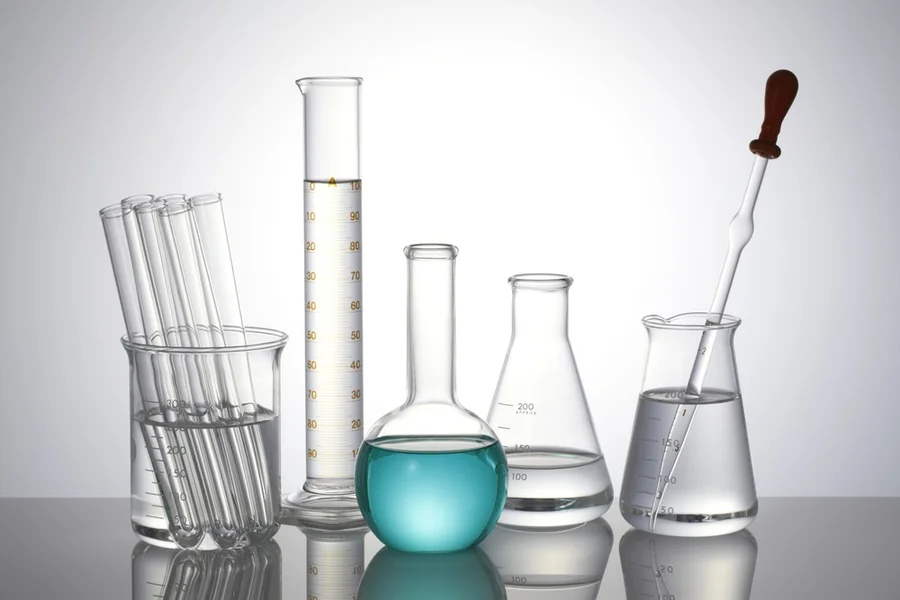
When setting up any scientific laboratory, ensuring that you have the appropriate glassware is paramount. Amongst these, lab beakers hold a vital role. They are versatile, allowing for the mixing, heating, and cooling of substances. Selecting the right type of beaker for your laboratory’s unique requirements can greatly enhance efficiency and safety.
Understanding the Types of Lab Beakers
At the core of laboratory operations, beakers come in various shapes and sizes. Typically, beakers are cylindrical with a flat bottom, and they may have a spout for easy pouring. Some of the most common materials used to manufacture them include borosilicate glass, plastic, and even specialty materials like quartz for particular applications.
Borosilicate glass beakers are widely used due to their resistance to thermal shock and chemical corrosion. These properties make them ideal for containing reactive chemicals and heating substances.
Choosing the Appropriate Material
When choosing a beaker, the material is a critical consideration. If your laboratory mainly handles volatile or corrosive chemicals, borosilicate glass is often preferred. Plastic beakers might be suitable for less demanding applications where breakage is a concern.
Furthermore, laboratories dealing with high-temperature experiments can consider quartz beakers, noted for their ability to withstand extreme temperatures. Each material offers different advantages, impacting cost, durability, and application suitability.
The Size and Shape of Beakers
Beyond material, size and shape significantly influence the effectiveness of a beaker in a laboratory setting. Common beaker sizes range from as small as 10 millilitres to several litres. Choosing the correct capacity is crucial to accommodate experiment requirements without leading to spillage or overflow.
The shape can also affect functionality. For instance, tall beakers may be beneficial in applications requiring minimal evaporation, whereas low-form beakers provide more surface area, facilitating faster evaporation rates.
Specialised Beakers for Specific Applications
Specialised beakers, like those designed for titration, have unique features that prove beneficial for specific experiments. Some beakers come with built-in scales for easy measurement and precision. It is essential to understand the specific needs of your laboratory to determine if standard or specialised beakers are necessary.
Complementary Glassware and Equipment
While having the right beakers is vital, pairing them with other compatible glassware enhances a laboratory’s efficiency. For instance, using hydrometers for measuring density directly in the beaker can streamline processes. Additionally, laboratory flasks and cylinders should be considered for comprehensive setups.
Care and Maintenance of Lab Beakers
Maintaining the integrity of your glassware is as important as choosing the right beaker. Most lab beakers should be thoroughly cleaned after use to prevent cross-contamination and to extend their lifespan.
Borosilicate glass can generally be cleaned using appropriate laboratory detergents, while some plastic beakers may require gentle handling to avoid scratches.
Safety Considerations
Ensuring the safety of laboratory personnel is paramount when using glassware. Protective gear should always be worn to prevent injury from breakage. Users should be aware of a beaker’s limits in terms of temperature and chemical exposure to avoid hazardous situations.
Evaluating Costs and Budget
Without a doubt, budget considerations play a significant role in selecting laboratory glassware. While investing in high-quality beakers might have a steeper initial cost, they often translate to long-term savings through durability and reduced need for replacements.
Weighing the pros and cons of each type against your laboratory’s specific needs will lead to the most economical choice.
Trends in Beaker Design and Innovation
Innovations in laboratory glassware include advanced coatings that increase chemical resistance and novel design features that enhance ergonomic use. Keeping abreast of such trends can ensure that your laboratory remains at the forefront of efficiency and safety.
Conclusion: Making an Informed Decision
The myriad options available when choosing lab beakers underline the importance of making informed decisions. By understanding the different materials and designs, as well as the specific requirements of your laboratory, you can optimise your glassware’s contribution to your scientific endeavours.
Furthermore, integrating other instruments such as lab hotplate stirrers enhances the overall functionality of laboratory settings, leading to more seamless and successful experiments.