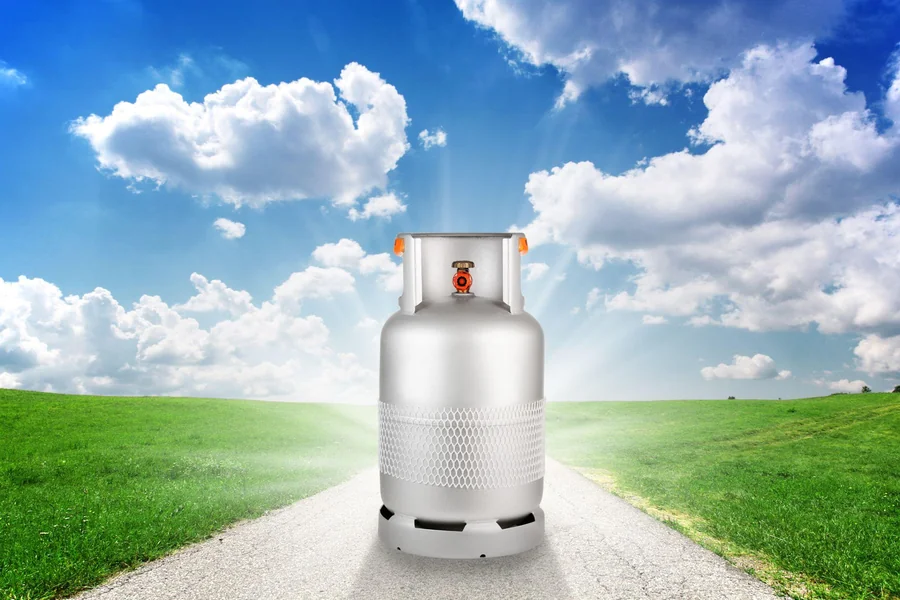
If you’ve ever fired up a barbecue, cooked on a gas stove, or watched a forklift at work, you’ve seen LPG in action. Liquefied Petroleum Gas has quietly become one of Australia’s most versatile and reliable fuels. From homes to farms and commercial kitchens, LPG powers everything from heaters and ovens to forklifts and generators. But what makes it better than diesel, petrol, or electricity?
Let’s take a closer look at why more homes and businesses are switching to LPG—and why it’s considered one of the smartest energy choices around.
Cleaner and More Efficient Energy
One of the first things that makes LPG a standout is its clean burning. Unlike coal, diesel, or petrol, LPG produces far fewer pollutants and greenhouse gases. It doesn’t release as much carbon dioxide, nitrogen oxides, or sulphur dioxide—all of which contribute to air pollution. For homes and commercial setups, that means you can cook, heat, and operate equipment with less impact on the environment.
LPG also burns more efficiently, producing more heat energy per unit than other fuels. That means better value for every dollar spent. Whether you’re heating water in a café or running burners in a workshop, LPG’s higher thermal efficiency leads to faster heating times and lower operating costs.
And because it burns cleanly, appliances that use LPG often last longer. There’s less soot, residue, or build-up, which means fewer maintenance costs and longer equipment life—something both homeowners and business owners appreciate.
Reliable in Any Location
Australia’s wide, rugged landscape can make electricity supply unreliable or expensive. LPG solves that by being easy to transport and store. Even off the grid, you can depend on LPG to keep things running. Cylinders and bulk tanks can be easily swapped out, ensuring a steady energy supply wherever you are.
This independence also means fewer interruptions during power outages. Homes with LPG heaters or stoves can still stay warm or cook when the power goes out—a significant advantage in rural areas.
In regions prone to storms or seasonal outages, having LPG available can be a real lifesaver. Families can continue cooking, and small businesses can stay open when others can’t. It’s this flexibility that makes LPG an essential energy option for regional and remote Australia.
Cost-Effective and Versatile
LPG is often more affordable than electricity or diesel over time. The setup costs are reasonable, and the running costs remain competitive because of its efficiency. You get more heat per dollar and less waste, making it ideal for high-demand uses like commercial cooking, heating, and manufacturing.
It’s also highly versatile—used for heating, hot water, refrigeration, or even powering vehicles. Many businesses switch to LPG-powered forklifts or delivery vehicles because it’s cleaner and cheaper to run. Its adaptability means it suits hospitality, agriculture, and logistics without major infrastructure changes.
At around this point in the article, it’s worth highlighting the benefits of LPG compared to other fuels. Petrol and diesel create more harmful emissions and require regular maintenance. Electric systems, although clean in use, still rely on coal in many regions. LPG provides a balance—it’s cleaner than fossil fuels and more dependable than renewables when the weather doesn’t cooperate.
Environmentally Friendly and Future-Ready
LPG isn’t just about saving money; it’s also part of a more sustainable energy mix. It’s a low-carbon fuel that bridges the gap while renewables expand. Using LPG helps reduce reliance on coal-generated electricity and supports a cleaner transition.
It also pairs well with renewables. Homes or businesses using solar panels can rely on LPG during cloudy days or peak demand. This hybrid setup offers energy flexibility without losing reliability or comfort.
Because of its cleaner profile, LPG also helps companies meet sustainability goals or environmental regulations. Switching to LPG can improve a business’s eco-credentials and appeal to customers who value green practices—a small change that can make a big marketing difference.
Safe and Convenient
Handled correctly, LPG is one of the safest fuels available. It’s non-toxic, non-corrosive, and has a narrow flammability range. Modern LPG appliances come with advanced safety features, and suppliers follow strict industry standards during delivery and refilling.
LPG systems are also convenient. Cylinders can be swapped easily, or bulk tanks can be automatically refilled. There’s no waiting for the power to return after an outage, and no messy spills or fumes. For homes, this means steady hot showers and heating. For businesses, it means smooth, uninterrupted operation.
Supporting Local Industry
Much of Australia’s LPG is produced locally through natural gas processing and petroleum refining. This keeps revenue within the country and supports Australian jobs. Whether it’s powering a restaurant or running farm machinery, using LPG helps build a stronger, self-reliant energy market.
The logistics network that delivers LPG is also Australian-owned and operated, meaning every refill supports transport workers, drivers, and service technicians who keep the industry going. It’s one of those fuels that doesn’t just power appliances—it powers livelihoods too.
The Bottom Line
LPG’s popularity isn’t by chance—it’s earned through reliability, performance, and cost-efficiency. It’s easy to store, clean-burning, and adaptable across countless applications. For cafés, restaurants, or catering companies, there’s another big reason LPG leads: gas is best for food businesses. The instant heat control and steady flame make cooking faster and more precise. For anyone planning a move or setting up new commercial spaces, Plus Gas can ensure that your LPG systems and appliances arrive safely and are ready to use.