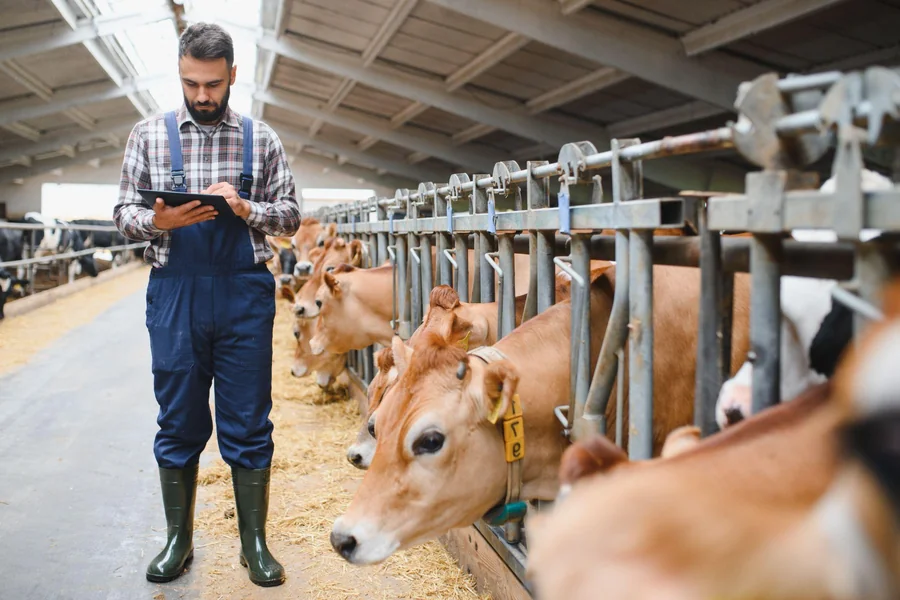
If you’ve ever worked on a farm, you know there’s a big difference between guessing and knowing. When it comes to livestock, that difference can mean profit or loss. Weighing animals might sound like a small job compared to feeding, breeding, or caring for them, but it’s one of the most important tasks that keeps everything else running smoothly. From tracking growth to planning feed and setting prices, accurate weights tell the story of your herd’s health and your farm’s performance.
Understanding Why Weight Matters
Livestock weight isn’t just a number — it’s a reflection of overall wellbeing. A healthy animal gains weight at a steady, predictable rate. Any sudden loss or plateau can hint at health problems, poor nutrition, or even stress. Regular weighing helps farmers spot these changes early before they become serious or expensive to fix.
For instance, if a mob of cattle suddenly shows slower weight gain, it might mean the feed quality isn’t up to scratch or parasites are affecting them. Without those numbers, you’d be flying blind, making decisions based on gut feel instead of solid data. But with accurate weighing systems, farmers can adjust diets, treatments, and grazing schedules quickly and efficiently.
Planning Feed and Nutrition
Feed is one of the biggest costs in any livestock operation, and small mistakes can pile up fast. Overfeeding wastes money, while underfeeding can slow growth and reduce meat quality. By tracking animal weights, you can fine-tune feed portions to match their real needs. It’s a simple step that adds up to big savings over time.
Say you’re raising sheep for market. You know they need to reach a certain weight before sale, but every extra day they spend on feed after that point cuts into profit. Regular weighing shows you exactly when they hit the target, so you can sell at the right time — not too early, not too late.
Meeting Market Requirements
Weight also plays a huge role in pricing. Buyers pay based on kilos, so every measurement needs to be accurate. Abattoirs and meat processors have strict weight categories that determine how much you’ll earn per animal. Being off by even a few kilos per head can add up to a significant loss when you’re selling in large numbers.
For dairy and breeding operations, weight data is equally valuable. It helps farmers decide when heifers are ready for mating, when to wean calves, and when to adjust rations for milk production. Essentially, weighing provides the data that supports every big decision on the farm.
Animal Health and Welfare
Good animal welfare isn’t just an ethical responsibility — it’s good business. Regular weighing can highlight which animals aren’t thriving, letting farmers separate them for treatment or extra care. It’s also a humane way to monitor recovery after illness or injury without relying on guesswork.
Modern load cells and digital weighing systems have made this process much easier. They’re designed to handle tough farm conditions and give precise readings, even when animals move around. These systems can connect directly to farm management software, letting farmers track trends, compare groups, and make data-driven decisions that improve both welfare and efficiency.
Smarter Farming Through Technology
The old days of manual scales and pen-and-paper records are fading fast. Today, many Australian farms use electronic weighing systems powered by the benefits of load cells, the small but powerful devices that measure force or weight with incredible accuracy. These sensors are the heart of most livestock weighing setups, ensuring every reading is reliable — rain, shine, or mud.
With this technology, farmers can weigh large numbers of animals quickly without causing stress. It also helps automate record-keeping, reducing human error and saving time. The more accurate the data, the better the farm decisions — whether it’s adjusting feeding plans, forecasting profits, or improving breeding programs.
Reducing Stress and Handling Time
Weighing livestock can be stressful for both animals and handlers if not done right. The goal is to make the process as smooth and fast as possible. Efficient weighing systems let you move animals through quietly, reducing the chance of injury or stress. Calm animals tend to maintain better weight and have stronger immune systems — so even this small step pays off in productivity.
Farmers who invest in quality equipment often find that weighing becomes a routine part of farm management rather than a dreaded chore. And once the data starts building up, it becomes a powerful tool for improving long-term herd performance.
The Future of Livestock Weighing
Technology continues to change how farmers operate. Load cells are now built tough enough to handle everything from dusty cattle yards to humid barns and even seaside properties. For operations in coastal or tropical regions, it’s important to choose equipment built to handle moisture, salt, and fluctuating temperatures — that’s where the reliability of a load cell in a hostile environment makes all the difference.
In the end, weighing livestock isn’t just a technical task; it’s a foundation for better farming. It supports animal health, ensures fair trade, and helps make every dollar of feed count. With the right tools in place, farmers can make confident decisions that benefit both their animals and their bottom line.
For reliable weighing solutions that suit Australian conditions, farmers trust Meltrons Australia, a Sydney-based company known for precision, durability, and innovation in load-cell technology.