Printed Circuit Board Assembly (PCBA) is a critical step in the electronics manufacturing industry. As a leading PCB assembly manufacturer, we understand that delivering high-quality, reliable PCBs requires a meticulous and well-controlled assembly process. In this article, we will walk you through the essential stages of the PCB assembly process, explaining how each step contributes to producing dependable and precise electronic products.
What is the PCB Assembly Process?
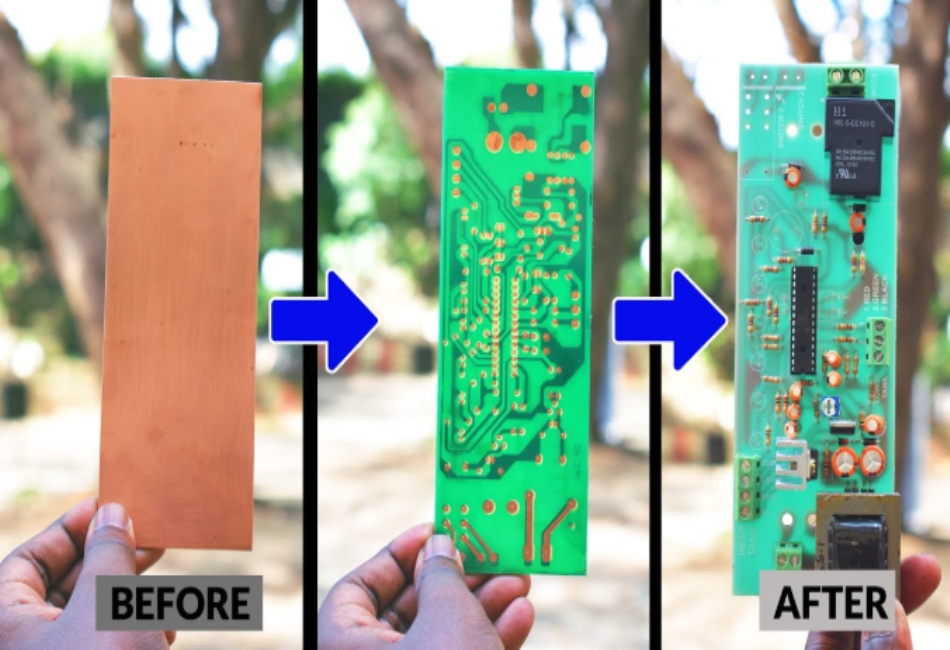
The PCB assembly process involves mounting electronic components onto a bare printed circuit board (PCB) to create a functional electronic assembly. This process combines advanced machinery and skilled craftsmanship to ensure every component is accurately placed and securely soldered, enabling the final product to perform as intended.
Step 1: Preparation and Inspection of PCB Materials
Before assembly begins, we perform thorough inspections of the bare PCBs and all components. This includes verifying dimensions, copper thickness, and cleanliness of the boards. Component quality is also checked to ensure parts are from authentic suppliers, maintaining the highest standard.
Step 2: Solder Paste Printing
One of the first key steps in assembly is applying solder paste onto the PCB pads. This is done using a stencil printer that deposits solder paste precisely where components will be placed. Accurate solder paste application is critical for good solder joints, which affect the electrical and mechanical reliability of the assembly.
Step 3: Component Placement
Next, Surface Mount Technology (SMT) machines pick and place components onto the PCB according to the design files. These machines can position thousands of tiny components with extreme precision at high speeds. For through-hole components, manual or automated insertion processes are used.
Step 4: Reflow Soldering
Once components are placed, the PCB moves through a reflow oven where the solder paste is melted to create strong, conductive joints. Temperature profiles are carefully controlled to avoid damaging components while ensuring complete solder flow.
Step 5: Inspection and Quality Control
After soldering, automated optical inspection (AOI) systems scan the PCB to detect any defects such as solder bridges, insufficient solder, or misplaced components. X-ray inspection may also be employed to check hidden solder joints, especially for Ball Grid Array (BGA) packages.
Step 6: Through-Hole Soldering (If Required)
For PCBs that include through-hole components, wave soldering or selective soldering machines are used to solder component leads. This step ensures robust mechanical and electrical connections for components that require extra strength.
Step 7: Testing
To guarantee functionality, in-circuit testing (ICT) and functional testing are performed. ICT verifies electrical connections and component values, while functional testing simulates real-world operation to ensure the PCB assembly meets all performance specifications.
Step 8: Final Cleaning and Packaging
After testing, the PCBA is cleaned to remove flux residues and contaminants that could affect performance or long-term reliability. Finally, assemblies are packaged carefully to protect against damage during shipping and handling.
Why Choose a Leading PCB Assembly Manufacturer?
As a top-tier pcb assembly manufacturer, we leverage advanced equipment, rigorous quality management systems, and industry best practices throughout the assembly process. Our commitment to excellence ensures that every PCB we deliver is built to the highest reliability standards, supporting applications in automotive, medical, aerospace, and consumer electronics.
Conclusion
The PCB assembly process is a complex yet essential journey that transforms bare boards into functional electronic devices. Understanding each step helps customers appreciate the value of working with a skilled and reliable PCB assembly manufacturer. We continuously invest in technology and quality controls to deliver assemblies that meet and exceed customer expectations.