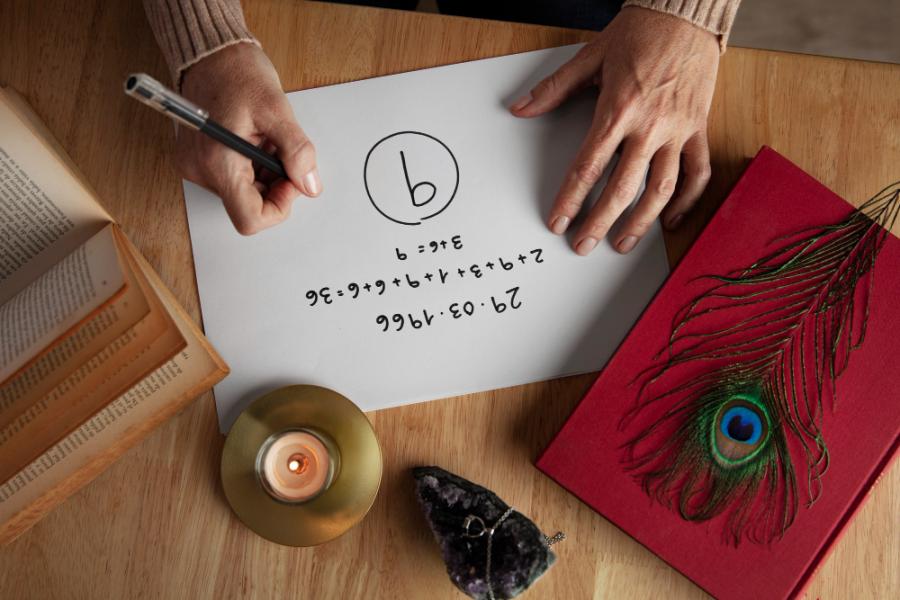
If you want to grow in life you need direction. Words can guide you but images often push you forward faster. The idea of visualizing success is simple. You create clear mental or physical pictures of where you want to go. These images help your brain stay focused and take action. This method is not new but it is becoming more popular because people see real results.
In this article we will explore how image-based techniques work and how you can use them in your daily life. You will learn why visuals matter and how they can shape your habits your mindset and your progress.
Why Images Work Better Than Words
Your brain processes images faster than text. When you see a picture your mind understands it almost at once. This is why you remember faces more easily than names. It is also why you feel something when you see a photo of a goal you care about.
Images connect with emotion. When you feel something you are more likely to act. A written goal like “I want to be fit” is fine. But a picture of your ideal body or a runner crossing a finish line creates a stronger reaction.
That reaction is important. It turns a passive goal into an active one.
The Science Behind Visualization
Visualization works because of how your brain handles imagination. When you imagine an action your brain activates similar areas as when you actually perform that action. This means your brain starts to treat your vision as something real.
This process builds familiarity. When something feels familiar it becomes less scary. You start to believe that your goal is possible.
Over time this belief affects your behavior. You begin to take steps that match your vision. You also notice opportunities that you might have ignored before.
Types of Image-Based Techniques
There are several ways to use images for growth. You do not need to follow all of them. Choose what fits your style.
Vision Boards
A vision board is a collection of images that represent your goals. You can create one using paper or digital tools. Add photos that reflect your desired life. This can include career success health goals travel plans or personal habits.
Place your vision board somewhere you see every day. This keeps your goals fresh in your mind.
Mental Imagery
Mental imagery is about creating pictures in your mind. Close your eyes and imagine yourself achieving your goal. Be specific. See the details. Feel the emotions.
For example if your goal is to speak in public imagine yourself on stage. Picture the audience. Hear your voice. Feel your confidence.
This practice builds comfort and reduces fear.
Goal Mapping
Goal mapping combines images and structure. You create a visual path from where you are now to where you want to be. Use arrows charts or diagrams.
This method helps you break big goals into smaller steps. It also gives you a clear direction.
Habit Tracking with Visual Cues
Tracking habits with visuals is powerful. You can use charts stickers or apps. Each time you complete a task mark it visually.
This creates a sense of progress. Seeing your streak grow motivates you to continue.
How Visualization Improves Focus
Distractions are everywhere. It is easy to lose track of your goals. Images help you stay focused because they remind you of what matters.
When you see a visual representation of your goal your mind returns to it. This reduces wasted time. It also helps you make better choices.
For example if your goal is to save money a picture of your future home can guide your spending decisions. You start to think twice before making unnecessary purchases.
Building Motivation Through Images
Motivation often comes and goes. One day you feel driven and the next day you do not. Visuals can help stabilize this.
When you look at an image tied to your goal you reconnect with your reason. This keeps your motivation steady.
The key is to choose images that mean something to you. Generic pictures may not work as well. Personal relevance makes a big difference.
Creating Emotional Connection
Growth is not just about logic. Emotion plays a major role. Images help you feel connected to your goals.
When you feel connected you care more. When you care more you act more.
For example if your goal is to improve your health a picture of your family can remind you why it matters. This emotional link strengthens your commitment.
Overcoming Self-Doubt
Self-doubt can slow you down. You may question your ability or fear failure. Visualization helps reduce this.
When you see yourself succeeding even in your mind you build confidence. This does not remove all doubt but it makes it easier to move forward.
You begin to trust the process. You also start to believe that progress is possible.
Making Visualization a Daily Habit
Consistency is key. Visualization works best when you practice it often. You do not need a lot of time. Even a few minutes each day can help.
Here are simple ways to make it part of your routine:
- Look at your vision board every morning
- Spend five minutes imagining your success
- Use visual reminders on your phone or workspace
- Track your habits with visible progress charts
These small actions build momentum over time.
Common Mistakes to Avoid
While visualization is useful it is not magic. There are some mistakes you should avoid.
Relying Only on Images
Images are tools not solutions. You still need to take action. Visualization should support your efforts not replace them.
Being Too Vague
Clear images work better than vague ones. Know what you want. The more specific your vision the more effective it becomes.
Ignoring Progress
Do not focus only on the end goal. Track your progress. This keeps you motivated and helps you adjust your approach.
Real-Life Example
Imagine someone who wants to start a business. They create a vision board with images of their ideal workspace satisfied customers and financial freedom.
Each day they look at these images. They also imagine running their business successfully. This builds confidence.
At the same time they take action. They learn new skills build a plan and start small. Over time their vision begins to match reality.
This is how visualization supports growth.
Combining Visualization with Action
The best results come when you combine images with effort. Think of visualization as a guide. It shows you where to go. Your actions take you there.
Set clear goals. Use images to stay focused. Then take steps every day. Even small actions matter.
Progress may be slow at times but consistency leads to results.
Long-Term Benefits
Using image-based techniques can change how you think and act. Over time you may notice:
- Better focus on your goals
- Stronger motivation
- Increased confidence
- Clear direction in your actions
These changes support long-term growth. They also help you handle challenges more effectively.
Final Thoughts
Personal growth is a journey. There is no single method that works for everyone. But image-based techniques offer a simple and effective way to stay on track.
By using visuals you give your mind a clear target. You also create a strong connection between your goals and your actions.
Start small. Choose one technique and try it for a few weeks. Pay attention to how it affects your focus and motivation.
With time you will see that the pictures you create today can shape the life you build tomorrow.
Read Also: 3 Reasons Businesses Outsource To Accounting Firms