Asbestos is a hazardous material that has been widely used in building constructions across the globe. Despite its effective insulating and fire-resistant properties, the health risks associated with asbestos exposure are significant. Therefore, ensuring that an area is free from this hazardous material is paramount. Conducting an asbestos clearance inspection in Sydney is an essential step in safeguarding public health and ensuring compliance with legal regulations.
Understanding Asbestos and Its Risks
Asbestos is a naturally occurring mineral that has been used in various industries for its durability and resistance to heat and chemicals. However, prolonged exposure to asbestos fibres can lead to serious health conditions, including asbestosis, lung cancer, and mesothelioma. These diseases can take years to manifest, making it crucial to address asbestos contamination proactively.
Why Asbestos Clearance Inspections are Necessary
An asbestos clearance inspection is conducted after asbestos removal has taken place. The purpose of this inspection is to ensure that no asbestos fibres remain in the environment. This final check is vital to certify that the area is safe for reoccupation and that all risks associated with asbestos exposure have been mitigated.
Legal Requirements
In many regions, including Sydney, conducting an asbestos clearance inspection is a legal requirement. Compliance with local laws and regulations is essential to avoid legal liabilities and ensure the safety of individuals who occupy the space.
Health Implications
The potential health implications of asbestos exposure underscore the importance of thorough clearance inspections. By ensuring that an area is free from harmful asbestos fibres, property owners can protect the health of inhabitants and workers.
The Process of Asbestos Clearance Inspection
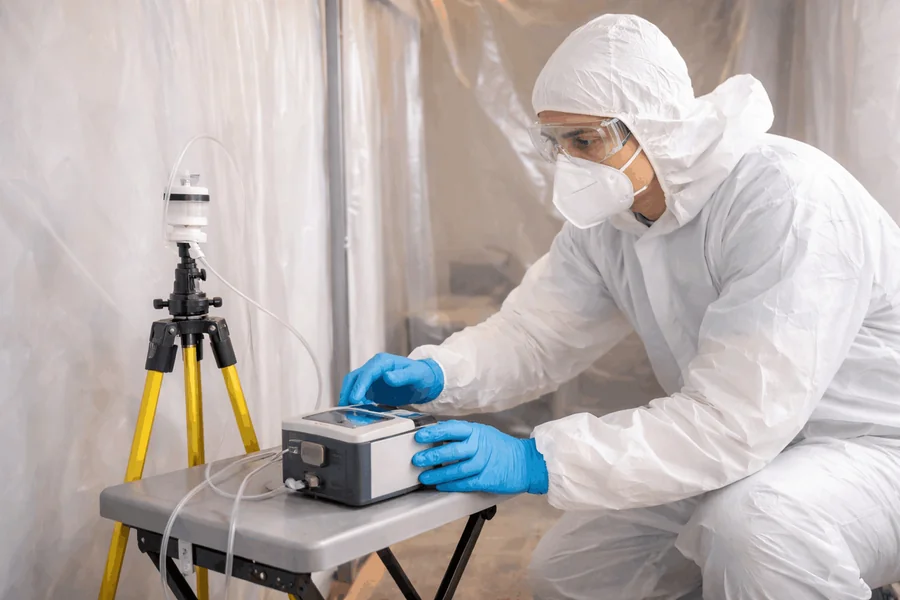
The clearance inspection process involves a comprehensive assessment carried out by a qualified professional. This expert will conduct a visual inspection and may use air monitoring equipment to detect any remaining asbestos fibres. If the area passes the inspection, it can be certified as safe for occupancy.
Involvement of Certified Professionals
Only certified professionals are equipped to conduct asbestos clearance inspections. These experts understand the stringent protocols required and have the necessary tools and expertise to ensure an accurate and thorough inspection.
Tools and Techniques Used
Specialised tools and techniques are used during the inspection to detect the presence of asbestos fibres. For example, air monitoring pumps may be used to collect samples for laboratory analysis, providing a detailed assessment of the air quality in the area.
Benefits of a Thorough Asbestos Clearance Inspection
Conducting a thorough inspection offers numerous benefits, including peace of mind for property owners and ensuring compliance with health and safety regulations. Additionally, it can prevent the need for costly future remediation if asbestos is detected at a later date.
Enhanced Safety
The primary benefit is enhanced safety for everyone who occupies the building. Clearance inspections help ensure that no residual asbestos fibres pose a risk to health.
Regulatory Compliance
Beyond safety, compliance with asbestos regulations is crucial. Failing to adhere to these requirements can result in significant legal and financial consequences.
Conclusion
An asbestos clearance inspection is a critical step in managing asbestos-related risks in any building. By ensuring the complete removal of asbestos fibres, property owners can safeguard the health of occupants and comply with legal standards. Engaging a professional team for asbestos clearance inspection in Sydney not only provides assurance of safety but also upholds necessary regulatory compliance.