Key Takeaways
- States are increasingly leading environmental protection and climate action as federal policy changes.
- Innovative, equity-driven state initiatives are driving progress, but challenges remain in balancing regulations and economic stability.
- Effective environmental policy depends on state-federal collaboration, public engagement, and resourceful legislative strategies.
State governments have become critical actors in the fight against climate change and the broader protection of environmental resources. As federal approaches shift, states often step in to address unique challenges faced by their regions, creating solutions that reflect local priorities and economic realities. Rising interest in environmental lobbying underscores how state-driven advocacy is influencing legislative agendas nationwide.
This decentralization of environmental action empowers state legislators to craft climate policies that balance economic development with stewardship of ecosystems. For example, states are increasingly setting ambitious goals for emissions reductions, protecting public access to clean water, and supporting renewable energy industries. These efforts not only tailor solutions to local contexts but often spur innovation that informs national standards.
Some states are recognized as environmental pioneers, providing blueprints for others to follow. In 2025, the National Caucus of Environmental Legislators highlighted that at least 23 states introduced legislation to modernize climate resilience financing and ensure polluters are financially responsible for damages. These approaches often seek bipartisan support and prioritize equity, demonstrating that effective climate policy can transcend political divides and serve all communities.
However, the landscape is complex. While some state initiatives are raising the bar for environmental protection, others are responding to regulatory and economic pressures by seeking to align state standards with federal baselines or delay climate action for affordability reasons. These differing approaches underscore the ongoing tension between environmental ambition and economic pressures, as detailed in a recent analysis by The Washington Post.
State Initiatives Driving Environmental Progress
In the past few years, states have unveiled a wide array of forward-thinking policies to tackle climate change and safeguard natural resources. Regional initiatives such as the Regional Greenhouse Gas Initiative in the Northeast and California’s cap-and-trade program are designed to reduce greenhouse gas emissions, promote cleaner industries, and support technological innovation. Many states are also boosting investments in renewable energy infrastructure, like solar and wind power, and are enacting law reforms to limit harmful chemicals in water sources and landfills. These actions are propelling the collective momentum toward a lower-carbon, more resilient future.
Challenges in State Environmental Policy
Despite the growing momentum in state-led efforts, significant challenges remain. Legislative actions in some states seek to restrain the authority of state environmental agencies, often limiting their ability to set standards that exceed federal requirements. For instance, new laws in Alabama prohibit state agencies from imposing restrictions on hazardous substances beyond federal levels. Critics warn that such rollbacks risk undermining local health protections and environmental quality, especially in regions where federal standards may not sufficiently address unique state-level risks.
Federal-State Dynamics in Environmental Regulation
The relationship between federal and state regulations impacts the efficacy of environmental policy. Federal rollbacks, such as efforts to weaken smokestack emissions rules, can limit states’ abilities to tackle cross-border pollution and protect air quality. In response to federal changes, some states enact more stringent measures, leveraging their powers to shield residents from weakened national protections. This interplay highlights the importance of cooperative federalism, where states have the flexibility to exceed federal baselines when local circumstances demand it.
Economic Considerations and Environmental Goals
Balancing economic vitality with environmental progress is a perennial challenge for state lawmakers. Rising energy prices and inflationary pressures have caused some states to reconsider the pace and stringency of their climate goals. For example, New York’s leadership recently postponed specific emissions targets to ease the potential burden on consumers, a decision that reflects the ongoing push-and-pull between green ambitions and economic realities. Such policy adjustments illustrate the need for adaptive, data-driven strategies that respond to market pressures while maintaining environmental commitment.
Innovative State Policies and Programs
States continue to implement creatively designed programs to advance sustainability and economic growth. California and Oregon have adopted robust cap-and-trade mechanisms to lower emissions efficiently. Other states have enacted comprehensive laws regulating per- and polyfluoroalkyl substances (PFAS), aiming to curb persistent chemical pollution and protect public health. These programs show that strategic regulation, compatible with economic incentives, can simultaneously foster industry development and environmental responsibility.
The Role of Public Engagement
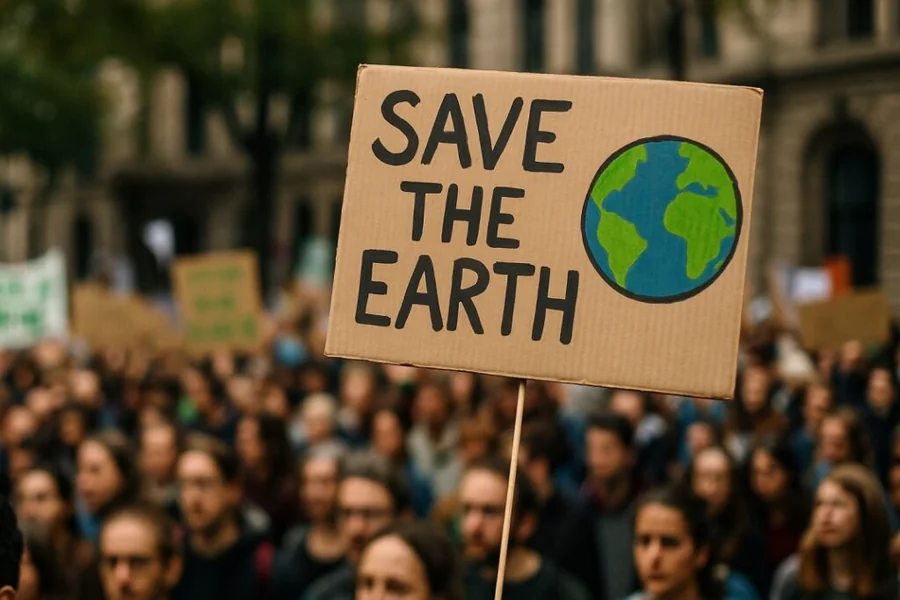
Public involvement is indispensable for the success of state-level environmental policies. Grassroots organizations, advocacy coalitions, and actively engaged residents help ensure that legislative priorities reflect public concerns and scientific consensus. States that prioritize transparency and citizen participation in environmental governance are better positioned to build enduring and effective policy frameworks.
Looking Ahead: The Path Forward for States
As climate impacts intensify and environmental risks evolve, states must remain adaptable and resourceful. Incorporating robust scientific research, leveraging technological innovations, and seeking diverse stakeholder input will be vital in formulating comprehensive responses to pressing environmental issues. The leadership shown by states is instrumental in building a national foundation for sustainable growth, energy resiliency, and public health protection.
Ultimately, while state-led efforts face obstacles, they provide vital laboratories for democratic innovation and environmental stewardship. With continued public support, legislative creativity, and effective collaboration, state governments can lead the path toward a more sustainable and healthy future for all Americans.