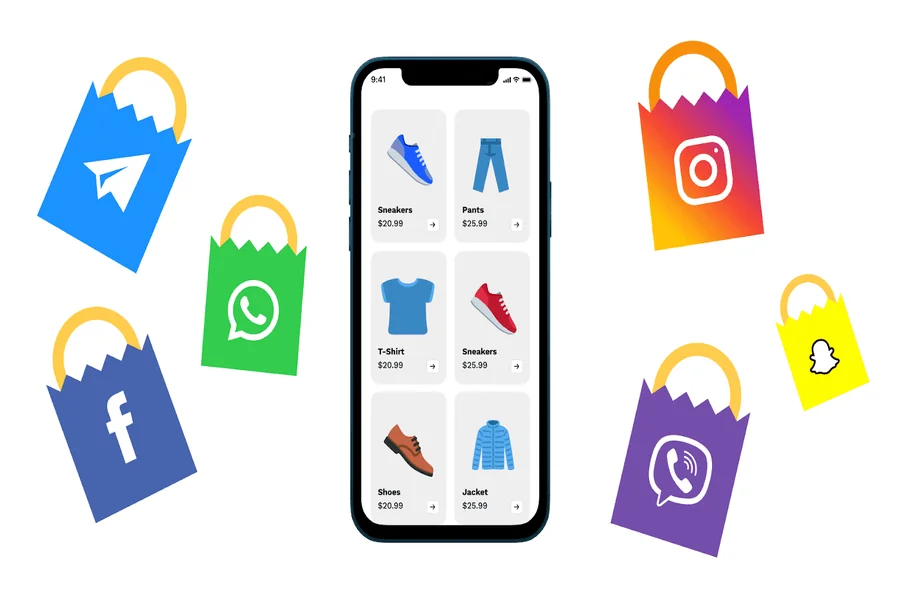
The Evolution of Social Media Shopping
Social media has changed from being a place where people simply share photos, opinions, and updates into a powerful marketplace for businesses. Today, brands are no longer using platforms like Instagram, Facebook, and TikTok only to promote their products. They are creating shopping experiences that allow customers to discover, interact with, and purchase products without leaving their favourite social platforms.
This shift is known as social commerce, and it is changing how businesses connect with their audiences. Instead of directing followers to separate websites, brands can now turn social interactions into direct sales opportunities. A simple product video, customer review, or influencer recommendation can lead to an immediate purchase.
Why Social Commerce Is Growing Rapidly
One of the biggest reasons social commerce is becoming popular is convenience. Modern consumers value quick and simple buying experiences. They want to discover products naturally while scrolling through content rather than searching through multiple websites.
Social commerce removes many steps from the customer journey. A person can see a product, learn about its features, read comments from other users, and complete a purchase within minutes. This smooth experience helps businesses reduce the chances of losing customers during the buying process.
Another factor driving growth is trust. People often pay more attention to recommendations from creators, friends, and online communities than traditional advertisements. When customers see real people using and discussing a product, it creates a stronger connection with the brand.
Turning Followers Into Loyal Customers
Having thousands of followers does not automatically guarantee business success. The key to effective social commerce is building meaningful relationships with an audience. Brands that focus only on selling often struggle, while those that create valuable content tend to attract more loyal customers.
Successful businesses use social media to educate, entertain, and engage their followers. They share behind-the-scenes content, answer questions, showcase customer experiences, and encourage conversations. These activities help transform followers from passive viewers into active supporters of the brand.
User-generated content has also become an important part of social commerce. Customer photos, reviews, and testimonials provide social proof and help potential buyers feel more confident about making a purchase.
The Role of Technology in Social Commerce
Technology continues to make social commerce easier for businesses of all sizes. Features such as in-app checkout, artificial intelligence recommendations, live shopping events, and personalized advertisements allow brands to create more targeted experiences.
Digital-focused industries are also adopting similar approaches to enhance customer engagement and deliver more personalized experiences. Online gaming platforms, including https://au.crazyvegas.com/, highlight how businesses can leverage seamless digital solutions, user-focused features, and convenient experiences.
The Future of Social Commerce
Social commerce is expected to continue growing as customers become more comfortable purchasing through digital platforms. Businesses that understand their audience, create authentic content, and use technology effectively will have a stronger chance of converting followers into long-term customers.
The future of online shopping is not only about having a website or running advertisements. It is about creating communities where customers feel connected to brands. Social commerce allows businesses to build those connections and turn everyday interactions into valuable relationships.


