Many homes built in the late 1960s and 1970s used aluminum branch-circuit wiring, and it can still be used safely when connections are handled correctly. The problem is that aging aluminum wiring often develops issues at termination points, not in the wire itself. Over time, aluminum can expand and contract more than copper under load, which can loosen connections at outlets, switches, light fixtures, and panels. Aluminum also forms an oxide layer that increases resistance, and higher resistance means more heat at connection points. That combination can lead to flickering lights, warm cover plates, tripped breakers, or the smell of hot plastic. Repairs for aluminum wiring are not the same as routine copper wiring repairs. They require the correct devices, compatible connectors, proper torque, and a careful process to reduce future loosening. Homeowners often seek electrical repair services not because everything has failed, but because they want predictable safety, fewer nuisance symptoms, and documentation that supports insurance and resale confidence.
Safe repair approaches that last
- Diagnosing connection problems and load stress
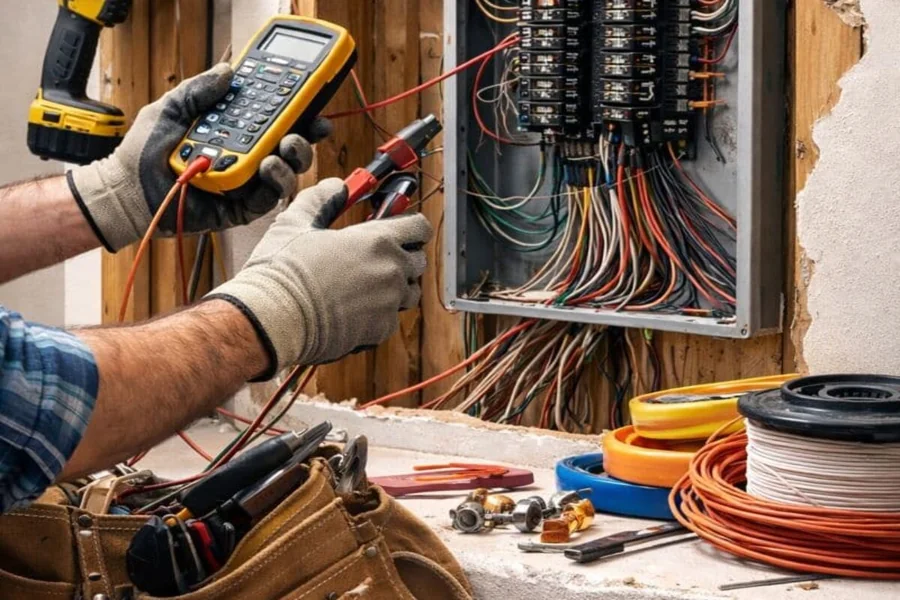
Effective service starts with confirming where the symptoms originate and how widespread the connection risks may be. Electricians typically begin with a visual inspection of the panel, looking for signs of overheating, discoloration, or damaged insulation, then move outward to the most used circuits and devices. Loose aluminum terminations can behave inconsistently, so a circuit might seem normal until a space heater, microwave, or hair dryer is used. Testing often includes checking voltage drop under load, identifying shared neutrals, and confirming breaker sizing and conductor gauge match. In older homes, previous DIY work may consist of mixed copper and aluminum splices, backstabbed devices, or unapproved connectors, all of which increase the risk of overheating. During Residential Electrical Troubleshooting in Vancouver, technicians may also check for moisture exposure in basements and exterior walls, as corrosion and humidity can accelerate connection problems. Another key part of diagnosis is mapping which circuits serve which areas, since high-use circuits such as kitchens, laundry, and living rooms are where failures tend to appear first. A careful diagnosis prevents guessing, and it helps the repair plan focus on the real risk points rather than replacing random outlets.
- Repair options for aluminum branch wiring
Once aluminum wiring is confirmed, the electrician chooses a repair method that improves connection integrity. One common approach is pigtailing, which uses an approved connector to join the existing aluminum conductor to a short copper lead, then the copper lead connects to the device. This reduces movement and oxidation issues at the device terminals, which are frequent failure points. The choice of connector is critical because not all wire nuts or splices are rated for aluminum-to-copper connections. Another approach is to replace devices with CO ALR-rated receptacles and switches designed for aluminum conductors, with terminals that handle the material more reliably. That option may still require careful torque and installation practices, and it does not address every splice in the wall. In higher-risk scenarios, electricians may recommend a complete rewire with copper, especially if the home has multiple problem circuits, damaged insulation, or numerous undocumented modifications. The right option depends on the home’s condition, the extent of aluminum wiring, the number of splices, and the homeowner’s budget and timeline. A reliable contractor explains these choices clearly and documents what was done and why.
- Connection quality, torque, and heat control
Aluminum wiring repairs succeed or fail based on the quality of the connections. Even a good connector can become unsafe if it is installed incorrectly. Electricians focus on clean conductor preparation, the correct stripping length, and ensuring the conductor is not nicked. Because aluminum oxidizes, proper preparation and compatible antioxidant compounds may be used when required by the connector or manufacturer guidance. Torque matters too. Under-tightened lugs can loosen as the wire cycles through heating and cooling, while over-tightened lugs can damage the conductor. Many service teams use torque screwdrivers or torque wrenches to ensure terminations meet manufacturer specifications, especially on panels and subpanels. Another part of heat control is the device box fill. Overcrowded boxes can stress splices and reduce airflow, increasing the likelihood of heat buildup. Electricians may upgrade boxes, add extensions, or reorganize splices to minimize strain. They also check for signs of arcing, such as black soot or melted insulation, because arcing indicates that the connection has already been unstable. When heat control is handled properly, nuisance flickers and warm plates often disappear, and the risk profile improves significantly.
Safer performance for older wiring
Aging aluminum wiring can remain serviceable, but it requires the right repair approach because the primary risks occur at connections. Good electrical repair services focus on careful diagnosis, approved repair options like pigtailing or compatible device upgrades, and precise installation practices that control heat and prevent loosening. Attention to torque, box fill, and visible signs of arcing reduces future problems and improves reliability in everyday use. With clear circuit labeling, sensible load habits, and documented repair work, homeowners gain confidence that the system can handle normal living without recurring flickers or hot outlets. The result is a home that feels safer, operates more consistently, and is easier to insure and sell.