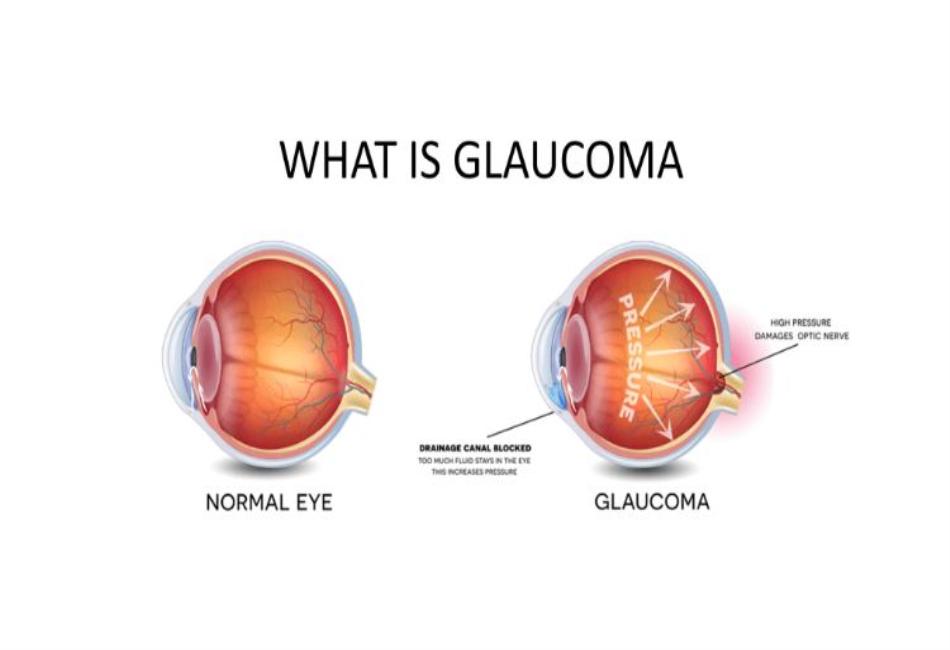
Glaucoma, or the silent thief of sight, is a progressive eye disease that attacks the optic nerve and, if left untreated, causes permanent eyesight loss. While one can never completely cure glaucoma, management can hinder the development or even stop it. Treatment options—such as medications, laser therapy, and surgical intervention—are determined based on the specific type of disease and the patient’s clinical condition. Hence, early detection, proper management, and good patient compliance are essential to supporting life and sustaining quality.
Why Cure Remains Out of Reach
Glaucoma causes irreversible damage to the optic nerves, which cannot be restored. Many glaucoma treatments claim to cure nerve damage, but their main goal is usually to stop further damage or slow it down by controlling eye pressure.
Treatment Aims: Lowering Eye Pressure
Treatment for glaucoma has generally focused on lowering IOP, which is the only modifiable risk factor. Here’s what can be done:
1 Medical (eye drops/oral):
First line: Prostaglandin analogues, such as Latanoprost, help increase the outflow of aqueous humour from the eye. Advantages include once-daily dosing. Local side effects may consist of conjunctival hyperemia or changes to the eyelashes.
Second line: The others work by reducing the production or increasing the outflow of aqueous humour, including beta-blockers (like Timolol), alpha-agonists, carbonic anhydrase inhibitors, and cholinergic agents
2 Laser therapy:
Selective Laser Trabeculoplasty (SLT) targets the drainage tissue, offering overall 80% success rate, with effects potentially lasting 3-5 years after treatment.
Laser peripheral iridotomy is primarily effective in managing narrow-angle glaucoma, as it facilitates the opening of blockages and helps prevent acute glaucomatous attacks.
3 Surgical:
Trabeculectomy & other filtering surgeries create new passages for fluid drainage.
Drainage implants or shunts may be used in cases where medications/laser therapies are insufficient.
Different Glaucoma Types, Different Urgency
- Open-angle glaucoma is a slowly progressing condition of glaucoma; it is silent in its onset, and intervention can be carried out quite early through medical treatment.
- The acute iridocyclitis (angle narrowing) can produce sudden pressure spikes, and the condition needs Immediate laser or surgical therapy.
- Normal-tension glaucoma occurs because it typically does not have increased IOP; however, lowering IOP can help slow down the damage.
Management vs. Cure: What Patients Need to Know
Management requires a lifelong effort:
Follow-up: Special attention should be given to the monitoring of IOP, visual fields, and optic nerve status.
Noncompliance: Patients who fail to follow medical treatment permit the disease to flow.
Lifestyle: Eating well, exercising, using protective eyewear, and maintaining systemic blood pressure all contribute to healthier eyes.
The treatment aims either to restore lost vision or to eliminate the risk of developing glaucoma. But that’s not the case—if you look at some blind spots, they remain even after treatment. The treatment is solely intended to preserve and rescue the patient’s vision.
Conclusion
Glaucoma cannot be cured, but controlled. Most patients can live with early diagnosis and treatment (either by medications, laser therapy, or surgery) if it can be maintained and monitored. Try to think that, as far as glaucoma care is concerned, there is no cure but rather management as you would with chronic illnesses such as hypertension or diabetes.