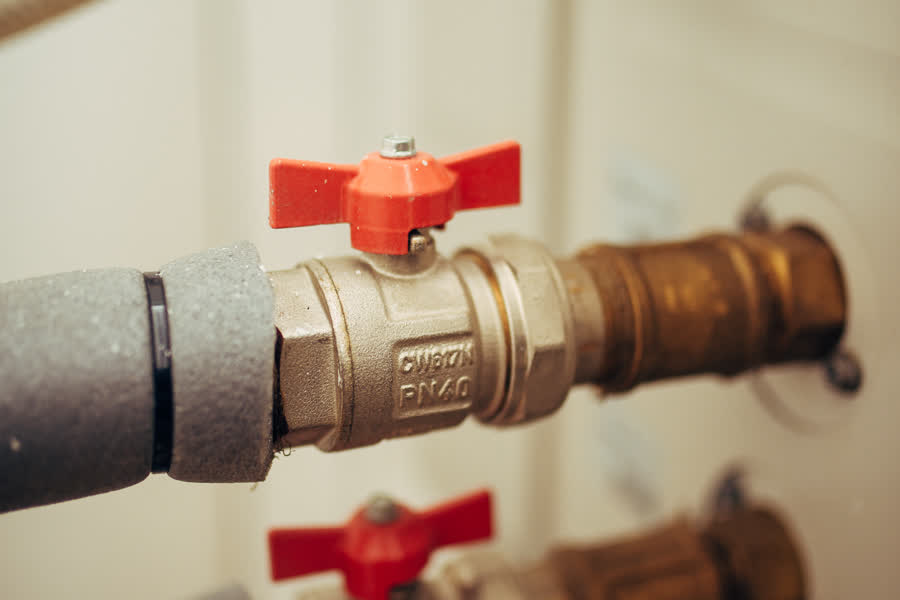
Buyers inspect roofs, foundations, and HVAC systems with care, because those are the expensive things and everyone knows it. The water supply plumbing gets a faucet turned on and a glance under the sink. Yet in a large share of homes built before the 1980s, the pipes inside the walls are the single most likely system to fail in the first few years of ownership, and the failure does not announce itself politely. It arrives as a stain on the ceiling, a wet patch on the floor, or a water bill that doubled for no visible reason.
A buyer who knows what to look for can identify an aging plumbing system during the inspection period, understand what it will cost to address, and either negotiate that cost into the purchase or walk away informed. This guide covers the materials that signal trouble, how to find them, what a standard inspection does and does not reveal, how to price the fix, and how to handle it at the negotiating table.
The Materials That Signal Trouble
Galvanized steel
The standard supply pipe in homes built before roughly 1970. Galvanized steel rusts from the inside out: the zinc coating wears away, the steel underneath corrodes, and the bore of the pipe gradually closes with rust and mineral scale. The symptoms are low pressure, especially hot water, brown or orange water after the taps have sat overnight, and eventually leaks at threaded joints. A home with original galvanized plumbing is, by any reasonable standard, due for a repipe, and the only question is whether it happens before or after the first serious leak.
Polybutylene
A gray plastic pipe installed widely from the late 1970s into the mid 1990s, and the subject of a large class-action settlement after it was found to fail unpredictably. It degrades from the inside in reaction to chlorine and other oxidants in municipal water, and the failures are sudden. Many insurers will not write a policy on a home with polybutylene supply lines, or will charge a premium for it. A buyer who finds polybutylene should treat it as a required repipe and price it accordingly.
Aging copper
Copper was the premium material for decades and remains serviceable in benign water. In hard, chlorinated, or acidic water, it develops pinhole leaks from the inside, and once a copper system starts pinholing in one place, it is generally doing so throughout. Copper from the 1960s through the 1980s in a region with aggressive water is a candidate for repipe, though not the certainty that galvanized or polybutylene represents. Signs of past pinhole repairs, such as patched sections, clamps, or new drywall in odd places, suggest the system is already in that phase.
Lead and mixed systems
Very old homes may have lead service lines from the street, and many homes have been partially repiped over the years, leaving a mix of materials joined at transition points that are themselves failure-prone. A partial repipe is better than none, but a buyer should understand how much of the original system remains.
How to Find Out What Is in the Walls
The pipes are hidden, but they are not invisible. Several places show the material plainly.
- Under sinks and behind toilets. The supply stubs coming out of the wall show the material: dull gray threaded steel is galvanized, gray plastic with copper crimp rings is polybutylene, and reddish metal is copper. Flexible braided connectors may hide the stub, so look at the pipe where it enters the wall.
- At the water heater. The hot and cold connections and the first few feet of pipe are usually exposed.
- In the attic, basement, or crawlspace. Where supply lines run through unfinished space, the material is visible along its length. In slab-foundation homes, the attic is often where the horizontal runs are.
- At the main shutoff and the meter. The pipe entering the house and the service line from the meter show the material of the main.
- In the seller’s disclosure and permit history. A seller who has repiped will usually say so, and a permitted repipe will appear in municipal records. A buyer can ask for the permit and the contractor’s warranty paperwork, which is often transferable.
What a Standard Inspection Catches and What It Does Not
A general home inspection is visual and functional. The inspector will run water at fixtures, note pressure and drainage, look at exposed pipe where it is accessible, and report visible corrosion, leaks, or improper materials. That is useful and will usually identify galvanized or polybutylene where it is exposed.
What the inspection does not do is assess the condition of pipe inside the walls, measure the degree of internal corrosion, or predict when a system in decline will fail. A galvanized system can run clear and hold pressure on inspection day and leak the following month. A copper system can pass every visible check while pinholing inside a wall cavity. An inspector who notes “original galvanized supply lines, recommend further evaluation by a licensed plumber” has done the job; the buyer’s job is to act on that line rather than file it.
Further evaluation means a plumbing-specific inspection: a plumber who can check static and flow pressure, examine the exposed pipe more closely, look for evidence of past repairs, and give an opinion on remaining life. Some plumbers offer this as a standalone service, and many repipe specialists provide a free walkthrough and written quote, which doubles as an assessment.
Pricing the Fix Before Negotiating
A buyer cannot negotiate a number they do not have. The way to get one is to have a repipe contractor walk the house during the inspection period and provide a written quote, exactly as the eventual owner would. The quote should cover every hot and cold supply line from the meter to every fixture, the material, the drywall and paint restoration, the permit and inspection, and the warranty, so that it reflects the real cost rather than a bare pipe figure.
The quote is driven more by fixture count than by square footage, and by foundation type, since slab homes are repiped through the attic and walls while pier-and-beam homes offer underfloor access. A two-story house with four bathrooms costs more than a one-story with two, regardless of which is larger. A buyer with two or three quotes has a defensible number.
The Insurance Question
Buyers often discover plumbing problems through the insurer rather than the inspector. Many carriers ask about pipe material and age on the application, and some will decline or surcharge a home with polybutylene, galvanized, or plumbing above a certain age. A buyer should get an insurance quote during the inspection period, disclose the pipe material honestly, and treat a declined or surcharged policy as part of the cost of the house. Conversely, a documented, permitted repipe is often rewarded with a standard rate or a discount, and that is worth knowing before closing.
Negotiating It
With a quote in hand, the buyer has three ways to handle an aging plumbing system in the contract.
- Price reduction. The cleanest option. The buyer reduces the offer by the repipe cost, or a negotiated share of it, and arranges the work after closing. This gives the buyer control over the contractor, the material, and the timing, and avoids the seller choosing the cheapest possible repipe to satisfy a contract term.
- Seller credit at closing. Functionally similar to a price reduction but structured as a credit toward closing costs. Lenders cap these, so the buyer should confirm the limit.
- Seller completes the repipe before closing. Sometimes the only option when the lender or insurer will not proceed with the old plumbing in place. If this route is taken, the contract should specify the material, that drywall and paint are included, that the work is permitted and inspected, and that the warranty transfers to the buyer. Without those terms, a seller under pressure will do the minimum.
Houston buyers face this constantly, since much of the inner-loop housing stock predates 1970 and was built with galvanized pipe, and the 2021 freeze exposed copper’s weakness across the region. Repipe Solutions Inc, a Houston whole-house repipe specialist with offices in Houston, Pasadena, and New Caney, provides free in-home walkthroughs and written line-item quotes that buyers can take into negotiation, repipes with Uponor PEX-A, includes drywall patching and paint, pulls the permit and meets the city inspector, finishes most homes in one to three days, and backs the work with a lifetime warranty that transfers once on sale. For a buyer anywhere, a quote with those elements is the one worth negotiating from, because it reflects what the job actually costs rather than what a seller might be tempted to spend.
If the Seller Says It Has Been Repiped
Ask for three things: the permit, the contractor’s invoice showing the material and scope, and the warranty. A repipe done without a permit may not have been inspected and may create problems with the buyer’s own insurer or at the buyer’s eventual resale. A partial repipe, common in older homes, may have replaced only the accessible runs and left galvanized under the slab or in the walls. The paperwork tells the buyer which it was.
Key Takeaways
- Galvanized steel and polybutylene supply lines are near-certain repipes; aging copper in aggressive water is a likely one.
- Look under sinks, at the water heater, in the attic or crawlspace, and at the main shutoff to identify the material.
- A general inspection catches exposed materials but cannot assess pipe inside the walls; get a plumbing-specific evaluation.
- Price the fix with written quotes from repipe contractors during the inspection period.
- Get an insurance quote with the pipe material disclosed; a surcharge or decline is part of the cost.
- Prefer a price reduction or credit over a seller-performed repipe; if the seller does the work, specify material, scope, permit, and warranty transfer in the contract.
Frequently Asked Questions
Should I walk away from a house with galvanized pipes?
Not necessarily. Galvanized plumbing is a known, quotable cost. A buyer who prices the repipe and negotiates it into the purchase can buy the house with confidence. The mistake is buying without pricing it.
How can I tell if a house has polybutylene?
Look for gray plastic supply pipe, often with copper or plastic crimp fittings, under sinks, at the water heater, and in unfinished spaces. It may be stamped with “PB” and a code. A plumber can confirm.
Will my insurer cover a house with old plumbing?
It depends on the carrier and the material. Polybutylene and galvanized lines are the most likely to be declined or surcharged. Get a quote during the inspection period with the material disclosed.
Is it better to have the seller repipe or take a price reduction?
A price reduction or credit gives the buyer control over contractor, material, and quality. A seller-performed repipe is acceptable when the lender or insurer requires it, provided the contract specifies the scope, permit, and warranty transfer.
What does a repipe quote need to include to be useful in negotiation?
Every supply line from the meter to each fixture, the pipe material, drywall and paint restoration, the permit and inspection, and the warranty terms. A bare pipe quote understates the real cost.
Does a repipe warranty transfer to a new owner?
Some do, once, and some do not. Ask for the warranty document and confirm the transfer terms before relying on it.
Conclusion
Old plumbing is one of the few major defects in a house that a buyer can identify, price, and negotiate with real precision, provided they look. The material is visible in a dozen places, the cost is a written quote away, and the contract can carry the fix in whatever form suits the deal. Buyers who skip that work inherit a system that fails on its own schedule. Buyers who do it close on a house whose most hidden problem is already solved.


