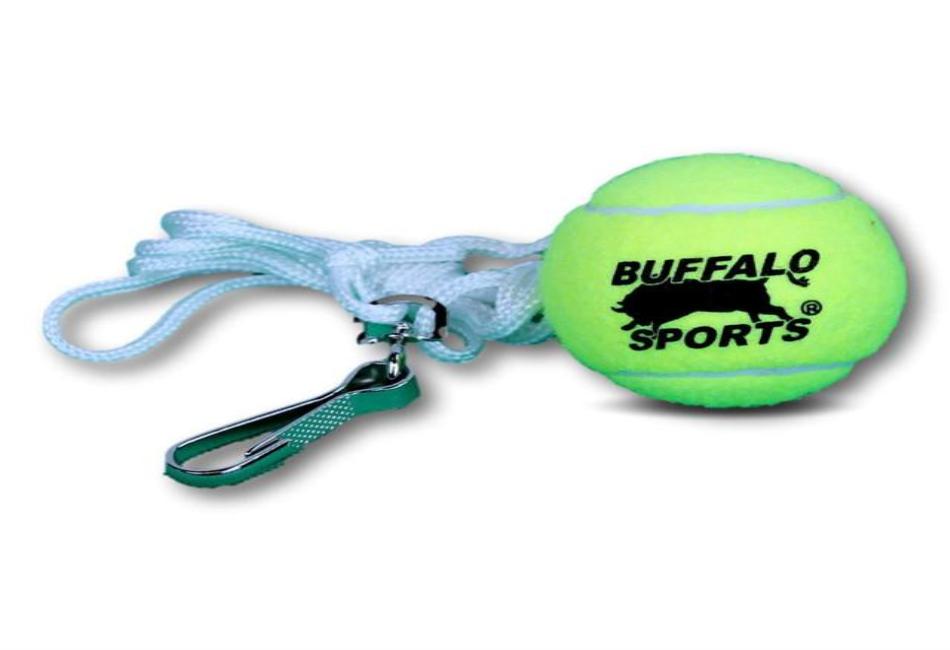
Tennis, a sport that combines grace and power, has captivated players and spectators alike for generations. While the player’s skill is undeniably a crucial element of the game, the equipment employed also plays a substantial role in the quality of play. Central to this is the tennis ball, an often underappreciated but vital component of the sport.
Understanding Tennis Ball Types
Not all tennis balls are created equal, and understanding the differences can have a significant impact on your game. Tennis balls vary in felt type, core construction and even pressurisation status. These aspects influence the ball’s flight, bounce, and overall responsiveness on the court.
Professional Standards
For professional matches, the specifications of a tennis ball are standardized by various tennis organisations. The weight, size, bounce, and durability must fall within specific parameters to ensure a fair and consistent game. Balls used in tournaments are typically replaced at set intervals to maintain their optimal condition.
Pressurised vs. Pressureless
One primary distinction in tennis balls is between pressurised and pressureless. Pressurised tennis balls are the standard for professional play due to their lively bounce and lighter feel. However, they tend to lose pressure over time and therefore have a shorter lifespan. Pressureless balls, on the other hand, have a solid core which makes them less bouncy initially but increases their longevity.
Choosing the Right Ball for Your Game
Selecting the correct tennis ball is essential for enhancing your playing experience. Consider the surface you predominantly play on; different balls are optimised for various court types such as clay, grass, or hard court. Additionally, the altitude of your location affects air pressure and, thus, how the ball performs – there are balls specifically designed for high-altitude play.
Beginners vs. Advanced Players
If you’re a beginner, aim for a ball that offers greater control and allows for extended rallies, something that will enable you to develop your skills. For more advanced players, balls that offer greater speed and bounce might be preferable as they match the intensity and pace of advanced play.
Practice Makes Perfect
Apart from competitive matches, it’s crucial to consider the type of ball suitable for practice sessions. Durable balls capable of withstanding repeated hits are ideal for practice. This ensures that players can consistently hone their skills without frequent interruptions to replace worn out balls.
Durability and Visibility
When selecting a tennis ball, durability should be a key factor especially for frequent players. Alongside durability, visibility is also critical. A ball that stands out against the surface of the court can help improve reaction time and overall gameplay.
The Importance of ITF Approval
The International Tennis Federation (ITF) approves balls that meet specific standards, and it’s advisable to choose balls that carry this endorsement. ITF-approved balls have undergone rigorous testing to ensure they are suitable for consistent, competitive play.
Environmental Considerations
Today, there is also a growing awareness of the environmental impact of tennis balls. Recyclable and eco-friendly options are entering the market, considering sustainability without compromising on performance.
Maintenance and Care of Tennis Balls
Maintaining the condition of your tennis balls is imperative for their performance. Storing them at room temperature and in a pressurised container can prolong their lifespan. Ensuring they are kept dry and clean also helps in maintaining their bounce and felt integrity.
When to Replace Your Tennis Balls
Even the best tennis balls eventually wear down and lose their effectiveness. Regular players should replace their balls once they notice a significant decrease in bounce or when the felt becomes noticeably worn or fluffed.
Brand Matters
Brand reputation can be a reliable indicator of quality. Renowned brands pour extensive research and development into their tennis balls, ensuring players have access to top-tier products.
The Influence of Ball on Player Technique
The dynamics of a tennis ball can subtly influence a player’s technique. Balls that are too heavy or too light can lead to adjustments in stroke mechanics, potentially impacting performance. It is essential to use a ball that complements your style of play.
Concluding Thoughts
In conclusion, the tennis ball is more than just a mere accessory; it is the heart of the tennis sport. A meticulously chosen ball can enhance your playing experience, improve your practice sessions, and potentially affect the outcome of your matches. For a game where every millisecond and millimetre counts, acing your match with the right tennis ball is a step you cannot afford to overlook.
Whether you’re a seasoned professional, a club player, or a beginner, taking the time to choose the right tennis ball could prove to be as strategic a decision as any tactic employed on the court. Consider the factors outlined in this discussion, and set yourself up for success in this timeless sport by investing in the correct equipment.