Rental owners pay for maintenance one of two ways: on a schedule they control, or on a schedule the house controls. The first is a filter change, a gutter cleaning, and a water heater flush at predictable times for predictable amounts. The second is an air conditioner that dies in the first week of July, a water heater that lets go in a closet, and a roof leak discovered when the tenant calls about a ceiling stain. The second way costs more, every time, and it costs tenant goodwill on top of the invoice.
Preventive maintenance is the discipline of choosing the first way. It is not complicated, but it has to be scheduled, because nobody remembers to flush a water heater on their own. This is a calendar for a single-family rental in a Southern climate, organized by season, with the reasoning behind each item so that an owner or manager can adapt it to a different region or property type.
Why Preventive Maintenance Pays
Three reasons, in order of size.
- Emergency repairs cost more than scheduled ones. After-hours rates, expedited parts, and the damage a failure causes before it is caught all add to the bill. A capacitor replaced at a spring tune-up is a small line item; a compressor replaced in August after the capacitor failed and the unit ran hot for a week is a large one.
- Equipment lasts longer. HVAC systems, water heaters, and roofs that are maintained reach the long end of their service life. Neglected ones reach the short end, and the difference is measured in years and thousands of dollars of replacement cost.
- Tenants stay. A home where things do not break, and where the owner visibly takes care of it, is a home a tenant renews in. Maintenance handling is the strongest predictor of renewal, and preventing the failure is better than handling it well.
Spring
Spring is HVAC season, because the cooling system is about to work harder than it has in months and the failures it is carrying from last year are about to surface.
- Air conditioning tune-up. A technician cleans the coils, checks refrigerant charge, tests the capacitor and contactor, clears the condensate drain, and confirms the thermostat. This is the single most valuable maintenance visit of the year in a hot climate.
- Air filter replacement and a reminder to the tenant. Many leases make filters the tenant’s responsibility; many tenants forget. A filter delivered with a note, or a subscription that ships filters to the door, keeps the system breathing.
- Gutter and downspout cleaning. Spring storms arrive with winter’s debris still in the gutters. Clogged gutters overflow against the fascia and foundation.
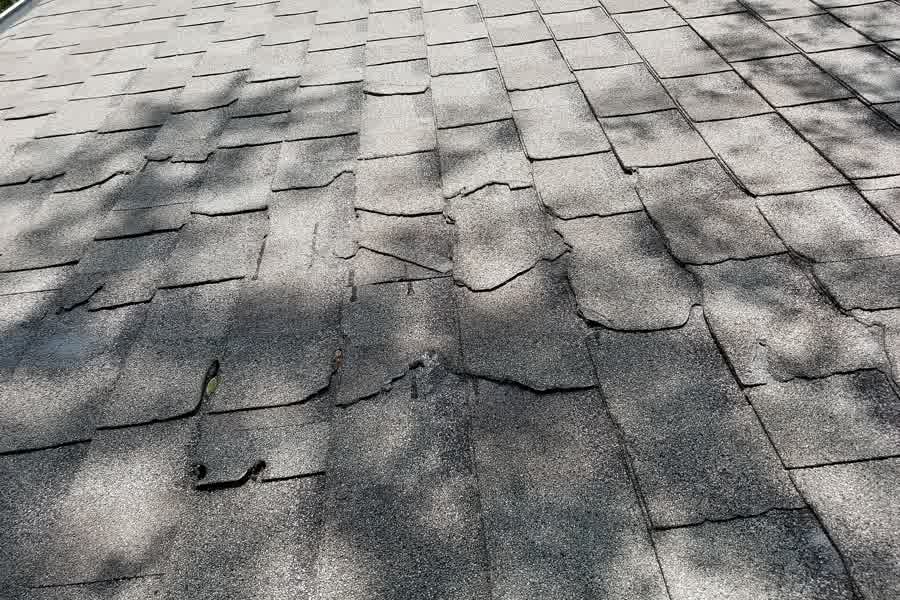
- Roof inspection from the ground or ladder. Lifted shingles, exposed nail heads, and damaged flashing after winter wind are small repairs in spring and leaks in summer.
- Exterior walkthrough. Grading that slopes toward the foundation, trees touching the roof or siding, fence and gate condition, and any standing water.
- Pest inspection. Termite activity peaks in spring in much of the South; an annual inspection catches it before it reaches the framing.
- Smoke and carbon monoxide detector test, and battery replacement. Easiest to pair with the spring visit so it is never skipped.
Summer
Summer is for the items that heat and humidity stress, and for the things that go wrong when a house is occupied and hard-used.
- Mid-season filter check. In a humid climate with the air conditioner running constantly, a filter can load up in weeks.
- Condensate drain line flush. A clogged line backs up into the air handler and onto the floor or ceiling below. A cup of vinegar down the line, or a technician’s quick clear, prevents one of the most common summer water-damage calls.
- Plumbing check under sinks and at the water heater. Supply lines, shutoff valves, and the water heater’s base and connections, looking for weeping or corrosion before it becomes a leak.
- Dryer vent cleaning. Lint in the vent run is a fire risk and makes the dryer work harder. Annual cleaning, summer is as good a time as any.
- Irrigation and hose bib check. If the property has irrigation, a mid-season inspection catches broken heads and leaks that run up the water bill.
- Caulk and seal. Windows, doors, tub surrounds, and exterior penetrations. Failed caulk lets water into walls and conditioned air out of them.
Fall
Fall is preparation for winter and the second HVAC checkpoint.
- Heating system inspection. Furnace or heat pump service before the first cold night: burner and heat exchanger check on gas furnaces, defrost cycle and auxiliary heat on heat pumps, and a thermostat test.
- Water heater flush and inspection. Sediment settles in the tank over the year and reduces efficiency and life. An annual flush, a check of the anode rod, and a test of the pressure relief valve. Note the heater’s age; most are replaced on a predictable schedule and a planned replacement beats an emergency one.
- Gutters again. After the leaves fall, before winter rain.
- Freeze preparation. Insulate exposed pipes in attics, crawlspaces, and exterior walls; install hose bib covers; confirm the tenant knows where the main water shutoff is and what to do if the forecast calls for a hard freeze. Southern homes are built with less pipe insulation than Northern ones, and a hard freeze that would be routine in Minnesota bursts pipes across Memphis.
- Chimney and fireplace inspection if the home has one and the lease permits its use.
- Weatherstripping and door sweeps. Cheap, and they lower the tenant’s heating bill, which tenants remember.
Winter
Winter is lighter on scheduled work and heavier on readiness.
- Freeze response plan. When a hard freeze is forecast, a reminder to the tenant to drip faucets, open cabinet doors under sinks on exterior walls, and keep heat on even if away. The owner or manager should have a plumber on call for the days after.
- Mid-winter filter check. Heating runs the same air handler; the filter loads the same way.
- Attic check after any severe weather. Wind-driven rain and ice find roof weaknesses that summer did not.
- Planning the coming year. Winter is when owners and managers should review the property’s age-of-equipment list, decide which replacements are due, and budget them rather than waiting for the failure.
Annually, Whenever It Fits
- Interior inspection with a written report and photographs. Once a year, with proper notice to the tenant. It catches deferred problems, confirms the lease is being honored, and documents condition for both parties.
- Equipment age inventory. HVAC, water heater, roof, major appliances, with install dates and expected replacement windows.
- Vendor review. Which contractors performed, which did not, and whether pricing is still competitive.
Making the Calendar Actually Happen
The calendar is only useful if someone runs it. For a self-managing owner, that means recurring reminders, a vendor list, and the discipline to schedule the spring and fall visits before the season arrives rather than after. For an owner with a manager, it means confirming that preventive work is part of the management scope and not just reactive repairs.
The difference between the two models shows up in the maintenance line of the annual statement. In the Memphis area, Advantage Property Management offers scheduled inspections and preventive property maintenance services alongside its reactive maintenance coordination: tenants and owners submit and track requests through the portal, urgent issues get around-the-clock coordination, routine repairs are targeted for completion within a day or two, work goes to a vetted contractor network, and inspections conducted to manufacturer and industry recommendations come back to the owner as detailed reports. For an owner anywhere, the question to ask a manager is whether the maintenance program is a calendar or a phone number, because a phone number only rings after something has already broken.
Key Takeaways
- Scheduled maintenance costs less than emergency repair, extends equipment life, and keeps tenants.
- Spring: HVAC tune-up, filters, gutters, roof check, exterior walkthrough, pest inspection, detector batteries.
- Summer: filter check, condensate line, plumbing check, dryer vent, irrigation, caulk and seal.
- Fall: heating service, water heater flush, gutters, pipe insulation and freeze prep, weatherstripping.
- Winter: freeze response plan, filter check, post-storm attic check, next-year equipment planning.
- Annually: interior inspection with a report, equipment age inventory, vendor review.
- A maintenance program is a calendar someone runs, not a number someone calls.
Frequently Asked Questions
What is the most important preventive maintenance item for a rental?
In a hot climate, the spring air conditioning tune-up. It prevents the most common and most expensive summer emergency and extends the life of the system that costs the most to replace.
Who is responsible for changing air filters, the tenant or the owner?
It depends on the lease. Many assign it to the tenant, but tenants forget, and the equipment is the owner’s. Delivering filters or checking at each visit protects the system regardless of what the lease says.
How often should a water heater be flushed?
Annually, with a check of the anode rod and the pressure relief valve. Note the unit’s age and plan its replacement rather than waiting for it to fail.
Do Southern rentals really need freeze preparation?
Yes. Homes in the South are built with less pipe insulation than Northern homes, so a hard freeze that would be routine elsewhere bursts pipes. Insulate exposed lines, cover hose bibs, and brief the tenant before the first cold snap.
How often should a rental be inspected inside?
At least once a year, with proper notice to the tenant, a written report, and photographs. More often for a new tenancy or a property with a history of problems.
Should preventive maintenance be in the property management agreement?
Yes. Confirm that scheduled inspections and seasonal service are part of the scope, not just reactive repair coordination, and understand how each is priced.
Conclusion
Every rental has a maintenance budget. The owner decides whether it is spent on a calendar or on an emergency line, and the calendar is cheaper by a wide margin once vacancy, damage, and tenant turnover are counted. Spring and fall HVAC service, an annual water heater flush, gutters twice a year, freeze preparation, and one proper inspection are most of the program. Scheduled and actually done, they turn the maintenance line from the most unpredictable number in the statement into one of the most predictable.


