Table of Contents
- The Growing Popularity of Secondhand Shopping
- Economic Benefits of Buying Pre-Owned
- Environmental Impact and Sustainability
- The Rise of Online Resale Platforms
- Changing Perceptions and Social Acceptance
- Secondhand Gifting: A New Holiday Trend
- Future Outlook for the Secondhand Market
- Conclusion
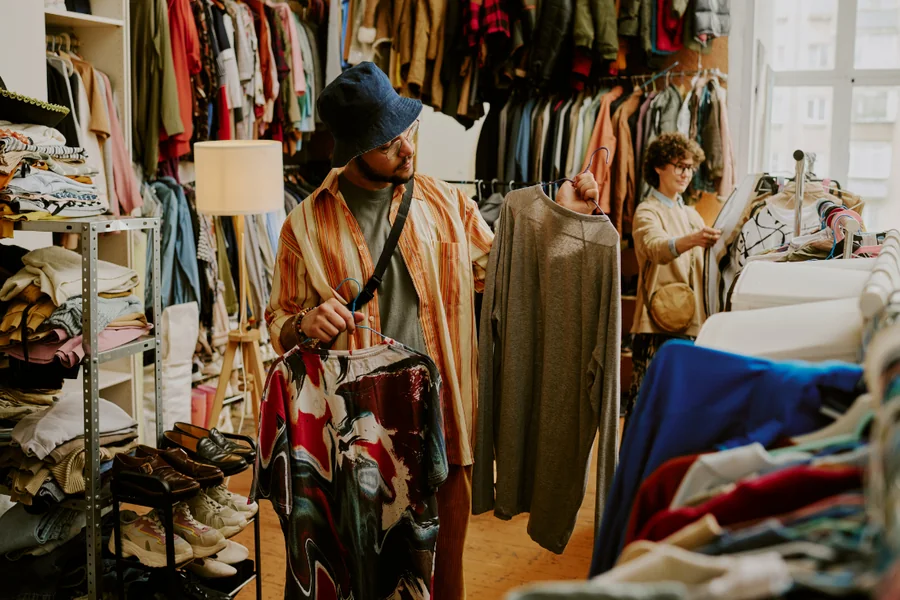
In recent years, secondhand shopping has rapidly grown from a niche hobby into a central part of mainstream retail culture. Consumers are not only looking for unique finds but are also making practical lifestyle choices by embracing pre-owned items. Much of this shift is due to shoppers’ willingness to seek value, reduce environmental impact, and enjoy the thrill of hunting for unexpected treasures. For those looking for higher-end finds, secondhand luxury clothing provides an exciting entry point into the world of designer labels at a fraction of retail price.
The change in consumer behavior is evident across all age groups, with younger generations especially invested in sustainable shopping habits and experiences. Today’s secondhand market is thriving, full of opportunities to support a circular economy, enjoy guilt-free retail therapy, and find one-of-a-kind gifts.
The Growing Popularity of Secondhand Shopping
Over the past several years, secondhand shopping has experienced a remarkable rise in popularity. Recent surveys show that nearly 90% of North American consumers have visited or interacted with a thrift store, either as shoppers, donors, or both. This is a significant jump from just a couple of years ago. Gen Z, in particular, stands out, with more than 40% actively participating in thrift shopping. Their increasing engagement demonstrates that secondhand shopping is no longer just a budget necessity, but also a lifestyle choice rooted in sustainability and self-expression.
This trend echoes far beyond physical thrift stores. Vintage boutiques, curated consignment shops, and robust online resale communities are thriving, offering accessible alternatives for those seeking affordability and distinctive style.
Economic Benefits of Buying Pre-Owned
Rising inflation and living expenses have made budgeting top of mind for many households. Secondhand shopping responds directly to this challenge by offering high-quality goods at a fraction of their original prices. In 2024, more than half of all shoppers reported preferring pre-owned goods to new items, reflecting widespread comfort and confidence in the secondhand market.
This shift is helping many households maintain a sense of financial security while not sacrificing taste or quality. As resale platforms make pricing transparent and competitive, buyers increasingly turn to thrift and consignment stores to find deals on everything from clothing and furniture to toys and electronics. According to CNN, this shift is here to stay, with sustainability and saving money cited as major motivating factors.
Choosing secondhand is about more than saving money; it is a conscious decision to lessen environmental impact. By extending the lifecycle of products, shoppers help to decrease landfill waste and reduce the demand for resource-intensive manufacturing. This is particularly relevant in fashion, where the industry accounts for a substantial share of global emissions.
The move towards secondhand shopping fits with a growing awareness of environmental issues and an increased desire for more ethical consumption. By putting pre-owned items back into circulation, individuals can help combat overproduction and unnecessary waste. A CNN report highlights how both brands and consumers are prioritizing sustainable shopping, reinforcing the mainstreaming of the secondhand movement.
The Rise of Online Resale Platforms
The growth of dedicated online resale marketplaces has been instrumental in making secondhand shopping convenient and appealing. Global platforms and apps allow users to browse, buy, and sell with ease, creating an accessible community for both buyers and sellers. The global pre-owned apparel market is set to reach $350 billion by 2028, driven by a projected compound annual growth rate of 12%.
These digital innovations allow shoppers to search for specific brands, styles, or sizes, and to verify the authenticity and quality of items before making a purchase. Social sharing and peer reviews further bolster consumer confidence, helping to reshape expectations about what it means to buy secondhand.
Changing Perceptions and Social Acceptance
Once associated with financial necessity or even a mark of shame, secondhand shopping is now celebrated for its role in sustainability and self-styled fashion. In 2024, nearly three-quarters of thrift shoppers reported feeling less stigma and greater admiration for those who opt for pre-owned goods. Discussions around fashion “circularity” and ethical shopping have inspired a culture where thrifting and resale are sources of pride.
More consumers now appreciate the opportunity to discover rare and vintage pieces that stand out in a world of fast fashion. The normalization of gifting secondhand items during holidays and special occasions further demonstrates how perceptions have evolved from stigma to social acceptance.
Secondhand Gifting: A New Holiday Trend
Gift-giving traditions are shifting as more people recognize the value of thoughtful, sustainable presents. During the 2024 holiday season, a record 68% of shoppers planned to purchase pre-owned gifts. Among Gen Z, that number was even higher, reflecting a belief that secondhand items are not only practical but special.
Not only does secondhand gifting reduce waste, but it also makes each present personal. Whether it’s a rare vintage item, a collectible, or a designer piece, each tells a unique story. As shoppers grow more comfortable giving and receiving secondhand gifts, this trend is likely to become a lasting part of holiday traditions.
Future Outlook for the Secondhand Market
The trajectory of secondhand shopping continues to rise, with industry forecasts predicting 55% growth in market value by 2029. This expansion is driven by rising consumer awareness of sustainability, economic necessity, and easy access through growing online marketplaces.
The future of secondhand shopping looks bright, with more collaboration between major brands and resale platforms, ongoing technological innovation, and a consumer base committed to responsible consumption.
Conclusion
Secondhand shopping is now a vital segment of the retail industry, blending style with savings and sustainability. As environmental and economic pressures continue to inform consumer decisions, the secondhand market stands poised for even greater acceptance and expansion, making it one of the most dynamic forces shaping the future of shopping.