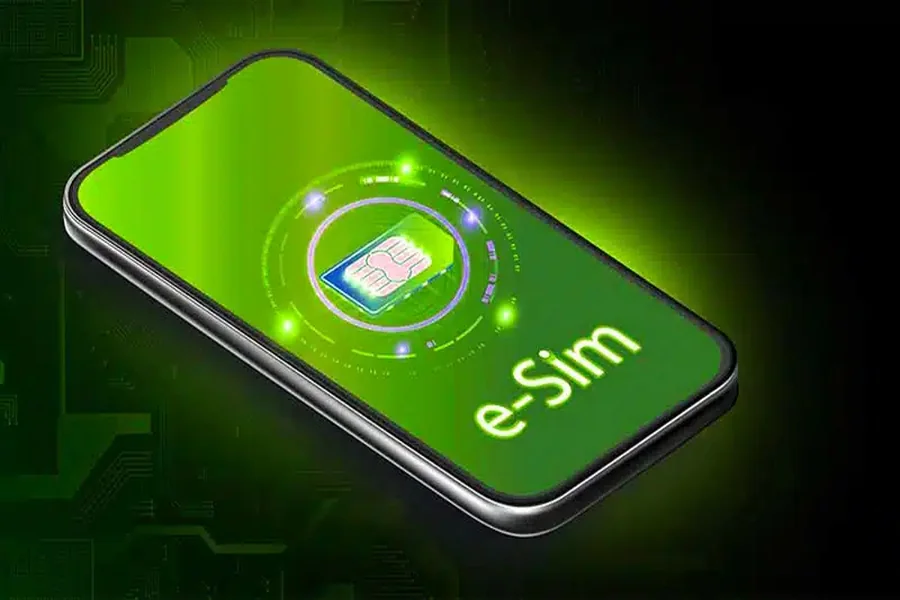
In recent years, the concept of electronic SIM cards, or eSIMs, has rapidly gained traction as a revolutionary advancement in the telecommunications sector. Unlike traditional physical SIM cards, the eSIM is embedded into devices and allows users to change network providers via software adjustments, eliminating the hassle of swapping out physically small and fragile cards. The eSIM in Australia is transforming the way consumers and businesses manage connectivity.
Understanding eSIM Technology
The eSIM, or embedded SIM, is a small chip built directly into a device. It functions like a traditional SIM card, identifying your device to a mobile network so that you can receive a signal and use the features of the network. The key difference, however, is that eSIM does not require a physical card to be inserted or swapped. Instead, it can be activated using software with information provided by mobile network carriers.
How eSIM is Changing Connectivity
eSIM technology is paving the way for greater flexibility and multi-network use for consumers across Australia. Users can switch between networks without needing to visit a store to pick up a new card. This is particularly beneficial for those who travel frequently and wish to avoid roaming charges by switching to local networks seamlessly.
Advantages of eSIM
The benefits of eSIM technology extend beyond ease of switching providers. It contributes to cleaner smartphone designs due to the integration of hardware within the device itself, offering more space for other components such as larger batteries or improved cameras. Furthermore, it enhances security features since the eSIM is not easily removable, like traditional SIM cards.
eSIM in Mobile Devices
Manufacturers such as Apple and Samsung have already started integrating eSIM technology into their newest devices. For instance, certain models allow users to have multiple mobile accounts on the same device, which is facilitated by eSIM’s ability to manage multiple network profiles digitally. This is significantly more convenient compared to managing multiple SIM cards.
eSIM and IoT
The advent of eSIM technology also bodes well for the Internet of Things (IoT) landscape. Devices such as smartwatches, laptops, and tablets, which have limited space, benefit greatly from the compact nature of the eSIM. Future technology adoption in smart cities and connected cars is expected to be boosted by eSIM’s capability to connect seamlessly and reliably to mobile networks.
The Current State of eSIM in Australia
In Australia, major telecommunications companies are beginning to roll out eSIM services. This shift enables consumers to access mobile services without the conventional limitations imposed by physical SIM card slots. The adoption rate, however, varies significantly based on consumer awareness and the type of mobile devices available in the market.
Challenges Facing eSIM Adoption
Despite the promising nature of eSIM technology, there are several challenges to its widespread adoption. Compatibility with older devices remains a significant hurdle, as does consumer understanding of how the technology functions. Additionally, concerns about security and control may discourage some users from transitioning from traditional SIM cards.
Future Prospects
Looking ahead, the potential for eSIM technology to reshape the telecommunications industry is undeniable. With ongoing advancements and an increasing range of compatible devices, eSIM is likely to become the standard method of mobile connectivity. As eSIM technology continues to evolve, it is expected to provide even more advanced features and greater consumer convenience.
Conclusion
Overall, the rise of eSIM in Australia represents a transformative step forward in telecommunications. By offering enhanced flexibility, improved security, and new opportunities for connectivity, eSIM technology is setting the stage for a more connected future. Companies and consumers alike have much to gain from widespread eSIM adoption, positioning Australia’s telecommunication landscape at the forefront of innovation.