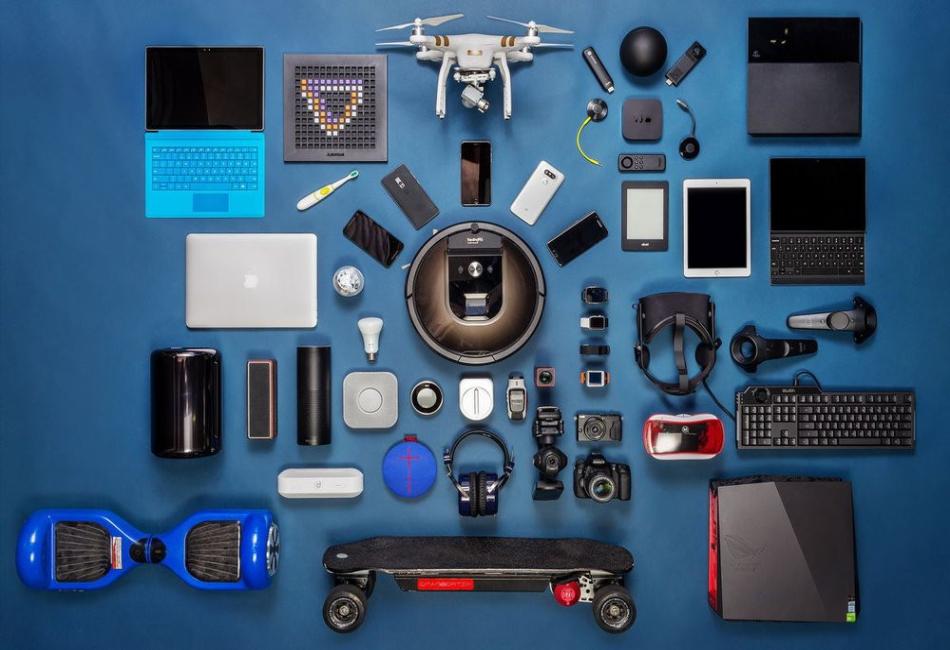
In a world where convenience, efficiency, and connectivity are paramount, mini devices—compact versions of everyday gadgets—are quietly but powerfully reshaping how we live. From wireless earbuds to smartwatches, mini projectors to portable power banks, these small technological marvels are influencing everything from how we communicate to how we work, travel, and stay healthy. The miniaturization of technology isn’t just a trend—it’s a transformation.
A Shift Towards Portability and Convenience
Modern life moves fast, and people demand tools that can keep up. One of the most striking impacts of mini devices is how they enable mobility. Laptops were once the epitome of portable computing, but now, tablets and foldable smartphones offer even greater flexibility. Wireless earbuds like Apple’s AirPods or Samsung Galaxy Buds have replaced bulky headphones, allowing users to move freely while taking calls or listening to music.
This convenience also extends to charging. Instead of lugging around chargers and adapters, many now rely on pocket-sized power banks that can recharge multiple devices on the go. Some even double as flashlights or come with solar panels, blending utility and innovation in minimalist form.
The Rise of Wearable Technology
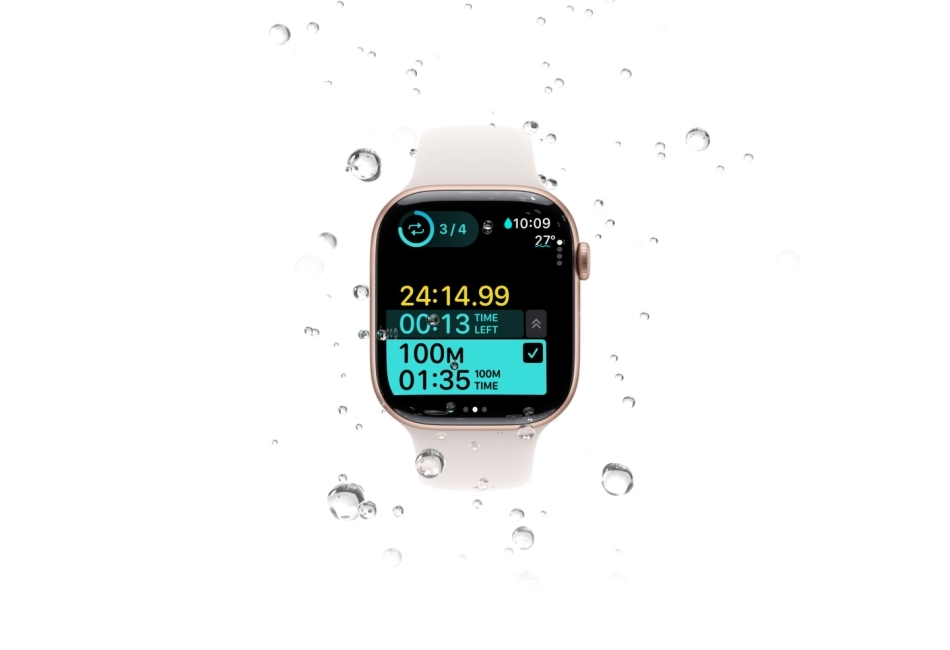
One of the most visible manifestations of mini device culture is in wearable tech. Smartwatches and fitness bands—such as the Apple Watch or Fitbit—offer a fusion of health tracking, communication, and productivity tools. These compact devices can monitor heart rate, track sleep, send notifications, and even facilitate contactless payments, all from the wrist.
Wearables are making significant contributions to health and wellness. Continuous glucose monitors for diabetics and wearable ECG monitors are giving users more autonomy over their health. These gadgets are small enough to wear but powerful enough to transform care by promoting early intervention and self-monitoring.
Mini Devices and Remote Work
The COVID-19 pandemic accelerated the shift toward remote work, and mini devices have proven to be essential allies. Portable webcams, pocket-sized microphones, and compact ring lights help remote workers maintain professionalism and clarity during virtual meetings. Mini projectors allow for flexible presentations outside of the traditional office environment.
Additionally, accessories like foldable Bluetooth keyboards or palm-sized external SSDs ensure that workers can carry their “office” in a small backpack, making it easier than ever to work from a coffee shop, park, or airport terminal.
Smart Homes and IoT Integration
Mini devices are also at the heart of the smart home revolution. Tiny sensors control lighting, detect motion, and monitor energy usage. Voice-activated assistants like Amazon Echo Dot or Google Nest Mini fit in the palm of a hand but offer vast control over home systems. These devices streamline daily routines, improve energy efficiency, and enhance security without taking up much space.
Even in the kitchen, gadgets like compact smart scales, digital measuring spoons, and mini blenders are optimizing food preparation while preserving countertop real estate.
The Influence on Entertainment
Entertainment has not been left behind in this miniaturization wave. Mini gaming consoles, such as the Nintendo Switch Lite or retro-inspired devices like the PlayStation Classic, allow users to carry immersive experiences in their pockets. Pocket-sized drones and 360-degree mini cameras let content creators produce high-quality videos without cumbersome equipment. Similarly, compact vape devices and travel-sized vape juice bottles have gained popularity for their portability and convenience, offering enthusiasts a customizable experience without the bulk. Mini Bluetooth speakers pack surprisingly powerful sound, making them favorites for travel or small gatherings. They represent a clear example of how small does not mean less capable—just more adaptable.
Environmental and Social Impacts
Mini gadgets can also contribute positively to sustainability when used wisely. Their smaller size often translates to less material use and lower energy consumption. Many manufacturers are now focusing on making these devices from recycled or eco-friendly materials.
Socially, the accessibility of mini gadgets helps bridge digital divides. Budget-friendly smartwatches, mini laptops, and basic smartphones offer essential connectivity in underserved communities, aiding education and communication.
The Challenges of Going Small
While mini devices offer countless benefits, they also bring challenges. Smaller gadgets can be more difficult to repair, contributing to electronic waste if they aren’t designed with longevity in mind. Battery life can be limited due to compact sizes, and functionality may sometimes be sacrificed for form.
Privacy is another concern, particularly with wearables and smart home devices constantly collecting data. Ensuring secure data practices and transparent policies is essential to maintaining user trust.
The Future of Mini Technology
As technology continues to evolve, the trend toward miniaturization is likely to accelerate. Advances in nanotechnology, flexible displays, and wireless charging will push the boundaries of what’s possible. We may soon see more seamless integration between mini gadgets and the human body, through biometric devices or even implantables.
What’s clear is that mini devices are more than just convenient—they’re shaping the rhythm and structure of everyday life. By blending form, function, and flexibility, they’re not only shrinking in size but also expanding our possibilities.