Plasma donation is one of the most practical ways to support modern medicine. If you are considering donating plasma in Utah, this guide walks you through how plasma helps patients, what to expect at your first visit, how to choose a reputable center, and how to stay safe and comfortable before and after your appointment. You will come away with a clear, step-by-step understanding and confidence to decide if donating is right for you.
Why Plasma Matters: The Engine Behind Critical Therapies
Plasma is the pale gold liquid that makes up more than half of your blood volume. It carries red and white blood cells, transports nutrients and hormones, and contains proteins that are essential to healing and immunity. Three groups of proteins are especially important for patient care:
- Immunoglobulins that support the immune system
- Clotting factors that help control bleeding
- Albumin that helps maintain fluid balance and blood pressure
From these proteins, manufacturers produce medicines used to treat conditions such as immune deficiencies, certain bleeding disorders, and other serious illnesses. When you donate, your plasma may be pooled with that of many other donors to manufacture treatments that are often difficult to replace with synthetic alternatives. For patients whose daily health depends on these products, a reliable supply of plasma is not optional. It is essential.
The Human Impact: How Donations Change Lives
Behind every vial of medicine derived from plasma is a person who needs it to stay well. Children with hereditary bleeding disorders rely on clotting factor therapies to participate safely in everyday activities. Adults with immune conditions may receive intravenous immunoglobulin to help their bodies fight infection. After accidents or surgery, some patients need albumin to stabilize their blood volume. In each case, the steady availability of plasma-based therapies means fewer hospitalizations, more predictable treatment, and a better chance at a normal routine. When you consider donating plasma in Utah, you are contributing directly to that continuity of care.
First Time Donor? Here Is What to Expect
1) Check in and health screening
Your visit begins at reception, where you present a valid ID and answer questions about your health history and lifestyle. These questions are designed to protect both you and future recipients. Trained staff will take your vital signs, measure your weight, and usually perform a quick finger stick to check hemoglobin or protein levels.
2) Eligibility review
A qualified professional evaluates your screening results to confirm that you can donate safely that day. If anything looks borderline, they may reschedule you and offer guidance on how to prepare for a future attempt.
3) The donation procedure
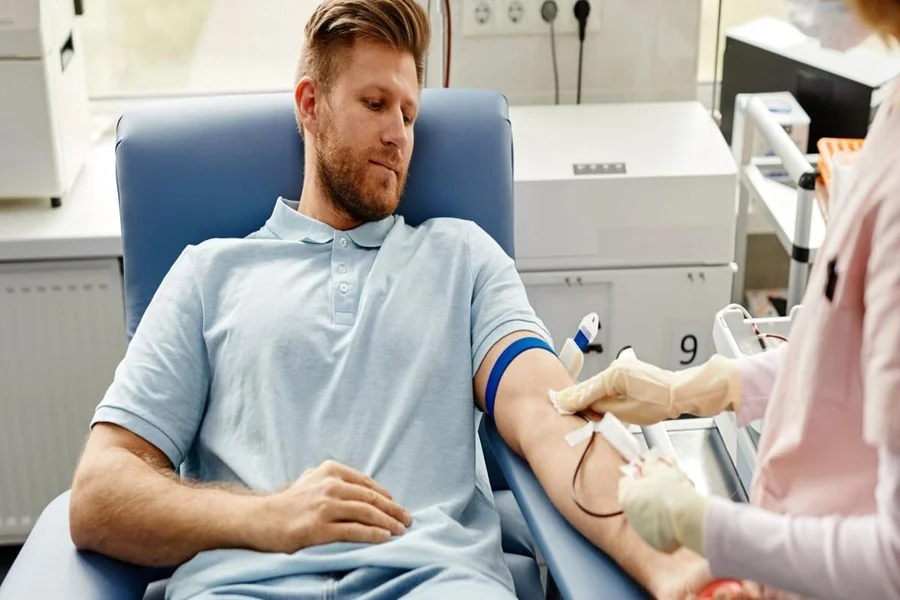
You will be seated in a comfortable chair and a sterile needle will be placed in a vein in your arm. A specialized machine separates plasma from your blood and returns your red cells and platelets to you with a sterile saline solution. The collection typically takes about 45 to 90 minutes. Most donors relax, read, listen to music, or watch TV while the machine cycles.
4) Post donation refresh and observation
After the collection ends, staff remove the needle and place a bandage. You will spend a short period in recovery with a drink and a snack to help replace fluids. Before you leave, the team confirms that you feel well and provides aftercare tips.
Aftercare: How to Feel Your Best
Plan to drink extra water the day of and the day after your donation. Choose a protein rich meal and avoid alcohol or intense workouts until tomorrow. Keep the bandage in place for a few hours, and if a small bruise appears, a cold compress can help. Most donors return to normal routines the same day. If you ever feel lightheaded, sit down, hydrate, and notify the center if symptoms persist.
Common misconceptions
- “Donation will drain my energy for days.” Most healthy donors feel normal shortly after donating. Hydration and a good meal make the difference.
- “It is very painful.” You may feel a brief pinch at needle insertion. After that, discomfort is usually minimal.
- “Plasma donation weakens the immune system.” Healthy donors are screened for eligibility and must meet center and federal guidelines designed to support donor safety.
Choosing a Plasma Center in Utah
Utah hosts several well known plasma centers with professional staff and standardized procedures. The right match for you may depend on location, hours, appointment availability, and the atmosphere you prefer. As you evaluate options, consider the following:
- Reputation and cleanliness. Look for centers that emphasize sterile technique and strong quality controls.
- Staff professionalism. Friendly, attentive teams improve comfort and help first time donors feel at ease.
- Scheduling tools. Online appointment systems and reminders can reduce wait times.
- Donor education. Clear explanations of the process, risks, and aftercare show that the center takes safety seriously.
Reading recent reviews can be helpful, but your own experience matters most. If you do not feel comfortable, try another center. Donating plasma in Utah should feel orderly, respectful, and well supervised from start to finish.
Understanding Compensation and Services
Plasma centers typically offer compensation for your time and effort. Amounts vary by location, new donor promotions, and frequency programs. Some centers add bonuses for referrals or for completing a certain number of visits within a given period. Ask about:
- How compensation is calculated
- When and how payments are issued
- Whether bonuses depend on appointment schedules you can realistically meet
Beyond compensation, many centers include basic health checks as part of the screening process. You may learn your pulse, blood pressure, weight, and certain lab values. These checks are not a substitute for medical care, but they can encourage you to keep an eye on your overall wellness.
Eligibility Basics: Who Can Donate?
Each center operates under federal rules and its own medical protocols, but some common requirements include:
- Meeting a minimum age and weight threshold
- Presenting valid identification and proof of local residence where required
- Passing a health questionnaire and vital sign check
- Having adequate protein and hemoglobin levels on the day of donation
Some medications, recent procedures, or recent tattoos may require a waiting period. If you are unsure, call the center before you go. Transparency about your health is essential for safety.
Safety Measures You Should Expect
Modern plasma collection prioritizes donor protection. Expect sterile, single use supplies and a clean environment. Staff should sanitize their hands, wear gloves, and dispose of materials safely. Donation machines are designed to prevent cross contamination and to monitor pressures and flow continuously. If anything does not look right, ask questions. You are always free to pause or stop the process.
Preparing for a Great Donation
A little preparation improves comfort and speeds recovery.
- Hydrate well the day before and the morning of your appointment.
- Eat a balanced meal with lean protein and complex carbohydrates.
- Avoid heavy fats right before you donate, since they can affect plasma quality.
- Wear clothing with sleeves that roll up easily.
- Bring a photo ID and any documents your center requests.
- Plan your schedule so you can rest afterward and avoid strenuous activity until the next day.
How Often Can You Donate?
Donation frequency is limited by federal guidelines and center policies to give your body time to replenish fluids and proteins. Centers will advise you on the maximum number of donations allowed within a week or month and will monitor your eligibility at each visit. Adhering to these intervals is part of staying healthy as a regular donor.
Comfort Tips During the Procedure
Relax your shoulders and breathe normally. If your hand feels cool as saline returns, gently flexing your fingers can help. Tell staff immediately if you feel tingling around the lips or fingertips or if you feel faint. They are trained to respond and keep you comfortable. Entertainment helps the time pass, so bring earbuds, a playlist, or a favorite podcast.
Costs and Insurance Considerations
There is no cost to donate. Plasma donation is not billed to your insurance because you are volunteering your time and providing a resource, and the center compensates you for that time. If you have a recent medical change or a chronic condition, speak with your healthcare provider before beginning a donation routine.
Ethical and Community Considerations
Consistent donor participation supports a stable medicine supply for patients across Utah and beyond. Centers are regulated, audited, and held to quality standards that help safeguard donors and recipients. By donating regularly and encouraging others to learn about plasma, you help maintain a dependable pipeline for life saving therapies.
Myths Versus Facts: A Quick Reality Check
- Myth: I will be turned away if I am nervous.
Fact: Many first time donors feel anxious. Staff are used to helping newcomers and can explain each step. - Myth: I cannot donate if I had a cold recently.
Fact: You should feel fully recovered before donating, but recent mild illness does not automatically exclude you. The center will advise you case by case. - Myth: Drinking extra water only matters after the appointment.
Fact: Hydration before and after is important. Starting early makes the process smoother.
A Note on Wellness and Self Awareness
Some donors report that the routine of preparing for appointments encourages healthier habits such as staying hydrated, eating balanced meals, and paying attention to sleep. Listen to your body and be honest during screening. If you feel unwell, reschedule. Responsible donating protects you and the people who will ultimately receive therapies made from your plasma.
How to Choose Where to Donate in Utah
When comparing centers near you, use this checklist:
- Is the site clean and well organized upon arrival?
- Do staff explain each step and welcome questions?
- Are wait times reasonable, and are appointments honored?
- Are compensation and bonuses explained clearly in writing?
- Do they provide clear aftercare guidance and encourage you to speak up about concerns?
If the answer to these questions is yes, you have likely found a solid donation home. If not, there are other options across the state, so keep looking until you feel confident.
Putting It All Together: Your Utah Plasma Donation Plan
- Learn the basics. Understand why plasma matters and how it is used.
- Pick a reputable center. Consider location, hours, professionalism, and scheduling tools.
- Prepare well. Hydrate, eat, and bring proper ID.
- Donate safely. Communicate with staff and follow their guidance.
- Recover smart. Rest, hydrate, and avoid strenuous activity until the next day.
- Decide on a routine. If you choose to return, follow center and federal timing guidelines so your body has time to replenish.
Conclusion: A Practical Way to Support Patients and Science
Donating plasma in Utah is a direct, hands on way to sustain therapies that thousands of people rely on. With thoughtful preparation, a reputable center, and attention to aftercare, most healthy adults can donate comfortably and confidently. Your contribution supports patients who need immunoglobulins, clotting factors, and albumin to stay well. If you have been curious about getting involved, consider scheduling a first visit, asking your questions, and seeing the process for yourself. Your time could make an immediate, measurable difference for someone who depends on plasma-derived medicines.