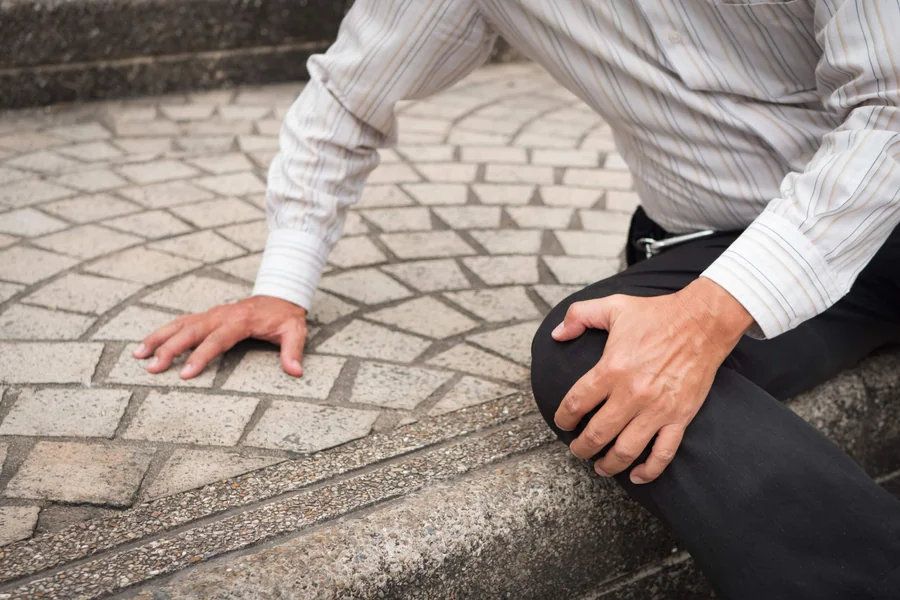
You may have gone from a normal day to pain, confusion, and a stack of questions in a matter of seconds. One bad step, a slick floor, a broken stair, or a torn sidewalk can change everything. After that, it is not just the injury that weighs on you. It is the missed work, the medical bills, the worry about what comes next, and the nagging question of whether this could have been prevented. For more information, visit https://phillyslipandfallguys.com/.
If that is where you are, your concern makes sense. Trip and fall cases can feel simple at first, but they rarely are. The short answer is that responsibility often depends on who controlled the property, whether they knew or should have known about the danger, and whether they failed to fix it or warn you. In many cases, a trip and fall accident liability claim turns on facts that are easy to miss if you do not gather them early.
When someone asks who is liable for a fall injury, what really matters?
It is natural to think that if you fell on someone else’s property, they must be at fault. Sometimes that is true, but not always. In legal terms, the issue often comes down to negligence and civil liability. That means asking whether a property owner, manager, business, landlord, or even a maintenance company had a duty to keep the area reasonably safe, and whether they failed to do that.
Because of that, a few details matter right away. What caused the fall? How long had the hazard been there? Was there a warning sign? Was the area poorly lit? Did the owner know people walked there every day? A grocery store with a spill left on the floor for an hour is different from a spill that happened seconds before you turned the corner. A cracked sidewalk that had been ignored for months raises different concerns than a sudden weather event.
So, where does that leave you? Usually, responsibility may rest with one party or several. A store owner may be liable for unsafe aisles. A landlord may be responsible for common areas like stairs or entryways. A city or town may be involved if a public walkway caused the fall. In some cases, the injured person is blamed in part, which can reduce recovery depending on state law.
Why are trip and fall claims harder than they seem?
On paper, the event looks clear. You fell, you were hurt, and there was a hazard. In real life, insurers often push back hard. They may say the danger was open and obvious, that you were distracted, or that your shoes, your phone use, or your pace caused the fall. That can feel deeply unfair, especially when you are already trying to heal.
There is also the problem of timing. Evidence disappears fast. Spills get cleaned. Ice melts. Security footage is deleted. Witnesses forget details. That is one reason slips, trips, and falls remain such a serious safety issue. The CDC explains the broad impact of falls in workplaces and public settings, and it is a reminder that these incidents are not minor just because they happen quickly.
What if the injured person is a teen employee, a stock worker, or someone in a first job? Then another layer can come in, including workplace safety rules and training failures. The CDC also outlines how slips, trips, and falls affect young workers, which helps show how often these injuries grow out of preventable hazards.
What facts can change who is responsible for a trip and fall accident?
Small facts can swing a case in a big way. If a handrail was loose, that matters. If a store had a policy for hourly inspections but skipped them, that matters too. If a tenant complained about broken steps and the landlord ignored it, that could be key. Even weather can matter. A business may not have to remove every drop of rain instantly, but it may still need mats, warnings, and reasonable cleanup.
Who is responsible for a trip and fall accident often depends on control. The person or company in control of the area is usually the first place to look. Still, control is not always obvious. A property owner may hire a contractor for repairs. A cleaning company may create a hazard. A commercial tenant may control the front entrance. This is why a personal injury lawyer often starts by identifying every party that had a role in keeping the area safe.
Should you handle a fall claim on your own or get legal help?
Some people try to manage everything alone, especially if the insurance company sounds helpful at first. That instinct is understandable. Still, it helps to compare what each path may involve.
| Approach | Possible Benefits | Common Risks |
|---|---|---|
| Handling the claim on your own | May feel faster at first, direct contact with insurer, no meetings to schedule | Missing evidence, undervaluing medical costs, giving statements that hurt your claim, not identifying all liable parties |
| Working with a personal injury attorney | Help gathering proof, reviewing records, valuing damages, dealing with insurer pressure | Takes time to build the case, requires sharing records and details of the accident |
If your injuries are serious, if fault is disputed, or if several parties may be involved, getting guidance early can protect your options. This is especially true in a fall injury responsibility case where the evidence may fade within days.
What can you do right now to protect your claim?
- Get medical care and follow through.
Your health comes first, and your records also help connect the fall to your injury. If you wait too long, the insurer may argue that something else caused your pain.
- Preserve every piece of evidence you can.
Take photos of the hazard, your shoes, and your injuries. Save receipts, incident reports, and names of witnesses. If a business has cameras, ask that footage be preserved before it is erased.
- Be careful with statements and quick settlements.
You do not need to guess about fault while injured and overwhelmed. A fast offer may sound like relief, but it may not cover future treatment, lost income, or lasting pain. Before you agree to anything, make sure you understand the full cost of the injury.
What should you remember as you move forward?
A fall can leave you shaken in ways other people do not always see. You may look fine to others while dealing with pain, fear, and financial strain behind the scenes. Still, you are not overreacting by asking questions. If unsafe property conditions caused your injuries, accountability matters.
The answer to who is responsible for a trip and fall accident depends on the facts, the property conditions, and who had the duty to prevent harm. If you are unsure where responsibility falls, speaking with a lawyer who handles these claims can help you sort through the facts and protect your next steps.


