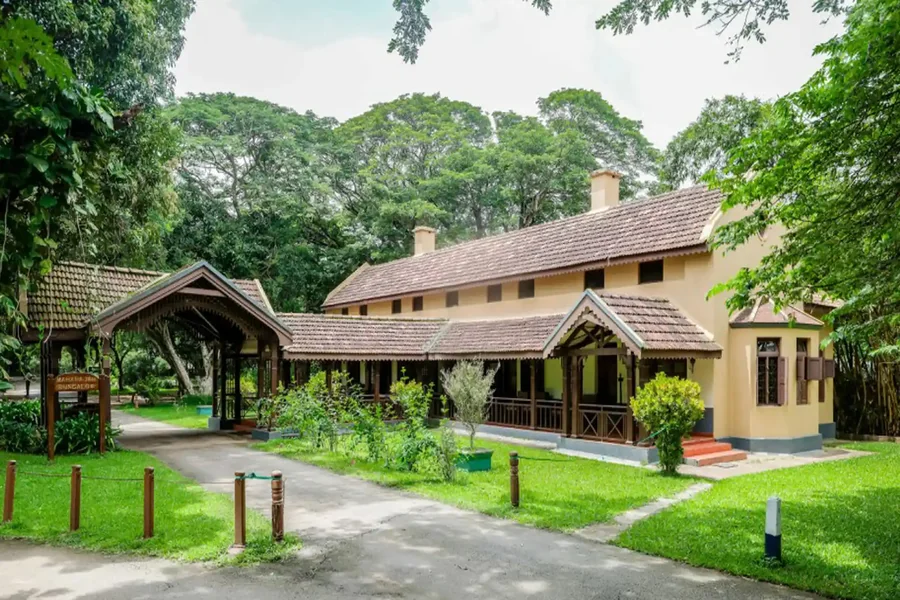
Resorts at Kabini have become one of India’s most admired examples of eco-tourism combined with luxury wildlife hospitality. Located along the banks of the Kabini River in Karnataka, this destination sits on the edge of dense forest reserves and rich biodiversity zones. Kabini Resorts attracts travelers who are not only looking for relaxation but also for meaningful nature experiences that promote conservation and responsible travel.
Kabini is more than a tourist destination. It is a carefully managed ecosystem where wildlife protection and sustainable tourism work together. Visitors come here to witness raw forest life, stay in eco-sensitive accommodations, and experience safaris that reveal the true rhythm of the wilderness.
Kabini’s Role in India’s Ecotourism Landscape
Kabini is part of the larger Nilgiri Biosphere Reserve, one of the most ecologically important regions in South India. The area connects several protected forests, creating a continuous habitat for elephants, tigers, leopards, gaurs, and numerous bird species.
Ecotourism here is not accidental. It is a structured system designed to ensure that tourism does not disturb wildlife behavior or natural habitats. Instead of heavy construction, the region promotes low-density tourism with limited accommodation zones and strict environmental regulations.
The goal is simple: allow people to experience the forest without damaging it.
Wildlife Experiences That Define Kabini
One of the biggest attractions of Kabini is its proximity to Nagarhole National Park, one of India’s top tiger reserves and part of Project Tiger.
Visitors can experience:
- Jeep safaris through deep forest trails
- Boat safaris on the Kabini River during sunrise and sunset
- Elephant herds crossing riverbanks in large groups
- Rare sightings of leopards, sloth bears, and sometimes tigers
- Birdwatching with species like hornbills, eagles, and kingfishers
The Kabini River is the lifeline of this ecosystem. During dry seasons, animals gather near the river in large numbers, creating one of the most dramatic wildlife viewing experiences in India.
Every safari is unpredictable, which makes Kabini special. Unlike controlled environments, wildlife here is completely natural.
Eco Tourism Model and Sustainable Practices
The ecotourism model in Kabini is based on three pillars: conservation, sustainability, and community participation.
Eco-Friendly Design
Resorts are built using natural materials like stone, wood, and thatch. Architecture is designed to blend with forest surroundings rather than dominate them.
Energy and Water Conservation
Many properties use solar energy, rainwater harvesting, and energy-efficient systems. Water usage is carefully monitored to reduce strain on natural resources.
Waste Management
Strict rules ensure minimal plastic usage and proper waste disposal. Many resorts follow zero waste or low waste policies.
Community Involvement
Local communities play a major role in tourism. From safari guides to hospitality staff, employment opportunities are created for nearby villages, ensuring tourism benefits local livelihoods.
This model ensures that tourism becomes a tool for conservation rather than exploitation.
Luxury Stays in the Wilderness
Kabini is famous for offering eco-luxury experiences that combine comfort with nature immersion. Unlike traditional hotels, these stays are designed to make guests feel part of the forest ecosystem.
Visitors can choose:
- River-facing cottages overlooking Kabini waters
- Forest lodges surrounded by dense greenery
- Luxury eco resorts with open decks and wildlife views
- Tented camps that offer close-to-nature experiences
At night, the forest becomes alive with sounds of insects, distant animal calls, and flowing river water. Early mornings bring misty landscapes and bird-filled skies, creating a peaceful and immersive environment.
Famous Places to Visit Near Kabini
Kabini is surrounded by some of South India’s most important wildlife and cultural destinations.
Nagarhole National Park
A major tiger reserve known for dense forests, elephants, and big cat sightings.
Bandipur National Park
One of the oldest national parks in India, famous for tiger conservation and scenic forest drives.
Bandipur National Park
Wayanad Wildlife Sanctuary
Located in Kerala, this sanctuary is known for its hills, waterfalls, and rich biodiversity.
Wayanad Wildlife Sanctuary
Kuruva Island
A peaceful river delta with bamboo forests, wooden bridges, and walking trails surrounded by water channels.
Kuruva Island
Mysore City
A cultural landmark near Kabini known for Mysore Palace, silk markets, and historical architecture.
Mysore
These destinations allow travelers to combine wildlife exploration with cultural discovery.
Best Time to Visit Kabini
Each season in Kabini offers a different experience.
- October to February: Pleasant weather, ideal for safaris and photography
- March to May: Best wildlife sightings as animals gather near the river
- June to September: Monsoon season transforms the forest into lush greenery, though safari access may be limited
The dry season is especially popular for wildlife enthusiasts due to higher chances of animal sightings.
Responsible Travel Guidelines
To preserve Kabini’s ecosystem, visitors are encouraged to follow responsible travel practices:
- Maintain silence during safaris
- Avoid littering or using plastic in forest areas
- Wear neutral colored clothing
- Respect wildlife distance and avoid feeding animals
- Follow all forest department guidelines
These small actions help protect wildlife and maintain ecological balance.
Conclusion
Kabini stands as a leading destination where conservation and tourism coexist in harmony. Kabini Resorts offer visitors a unique chance to experience untouched forests, rich wildlife, and serene river landscapes while promoting responsible and sustainable travel practices. Every stay actively supports ecosystem protection, making Kabini one of India’s most meaningful and impactful ecotourism destinations for nature lovers and wildlife enthusiasts.
Planning a trip to destinations like Kabini becomes seamless with modern travel platforms that bring everything together in one place. Travelers can book domestic and international flights, choose from a wide range of hotels and eco stays, and explore curated holiday packages designed for different budgets and preferences. These platforms also provide bus and train bookings, airport transfers, travel insurance options, and seasonal discounts that help reduce overall travel costs. With real-time availability, transparent pricing, and easy comparison tools, users can plan complete travel itineraries efficiently without switching between multiple services, ensuring a smooth and convenient booking experience from start to finish.


