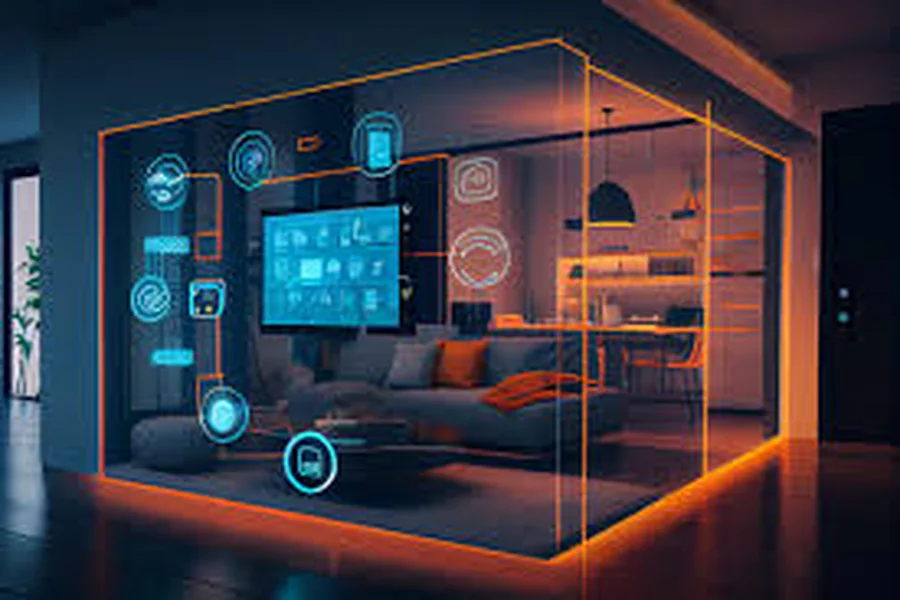
Home security has changed a lot over the years. It used to be just about loud alarms and using codes on a keypad. Now, it is not just a basic tool on its own. It has become an important part of how different things work together in a smart home. Today, keeping out break-ins and controlling things in the house work side by side. This alarm for security system has changed the way we use our homes. The result is more ease and safety than ever before.
The Centralized Ecosystem
In a modern home security system, the smart hub is the center of everything. It is not like old systems that just watch the doors. Now, smart hubs work as the “brain” for your house. They join together different parts like PIR motion sensors, glass-break sensors, and smoke detectors with your other home gadgets. This helps you manage things in one place. You can watch your security, lights, and indoor temperature all from one simple platform.
Automated Responses and Scenario Mapping
One of the best things now about modern synchronization is that you can make automated “scenarios.” A security system does not only act after something happens. Now, it can also do things before a problem comes up. It talks and works with other smart hardware:
- Welcome Home: If you turn off the system when you get home, the hallway lights can turn on by themselves. The thermostat can also change to a good, comfy temperature.
- Emergency Lights: If there is a fire alarm, the system can unlock smart locks to help people get out fast. It can also turn all inside lights as bright as they can go, so you can see better through smoke.
- Vacation Setting: When the alarm is set to “Away,” the house can turn lights or window shades on and off at random. This makes the house look like someone is home, which can help scare off people who might try to get in.
Multi-Protocol Connectivity
The smooth nature of modern alarms comes from the way they talk to each other with different wireless signals. They can use Wi-Fi, Zigbee, or their own long-range signals. With these systems, every part stays connected and does not get in the way of other devices. Because of this, people can add more devices when they want to. You can put leak detectors in the laundry room or add vibration sensors to your valuable cabinets. The main part always stays connected and works well with the added devices.
Enhanced Awareness Through Video Verification
Modern synchronization helps fix the old problem of false alarms by using video to check what is happening. When a sensor goes off, the system sends more than just a simple alert. It connects with your cameras to show what is going on right then.
- Get A Response Fast: When someone enters a zone, homeowners get a quick video or several photos sent to their smartphone right away.
- Check In Live: Users can see a live feed as soon as they get an alert. This helps them find out if it is just a family member who forgot the code or if there is a real problem.
- Control From Anywhere: People can talk using two-way audio on the camera sensors. This means a homeowner can speak with anyone on their property, no matter where they are.
Today, a home alarm for security system connects well with the rest of your house. This change means that these alarms do more than just watch. Now they take action to help you feel safe. When all the pieces of your home system work together, you get a place that is not only safer but also much easier to live in. As time goes on and things get better, your home security becomes a part of your everyday life. This makes your smart home feel real and easy to use for everyone.


