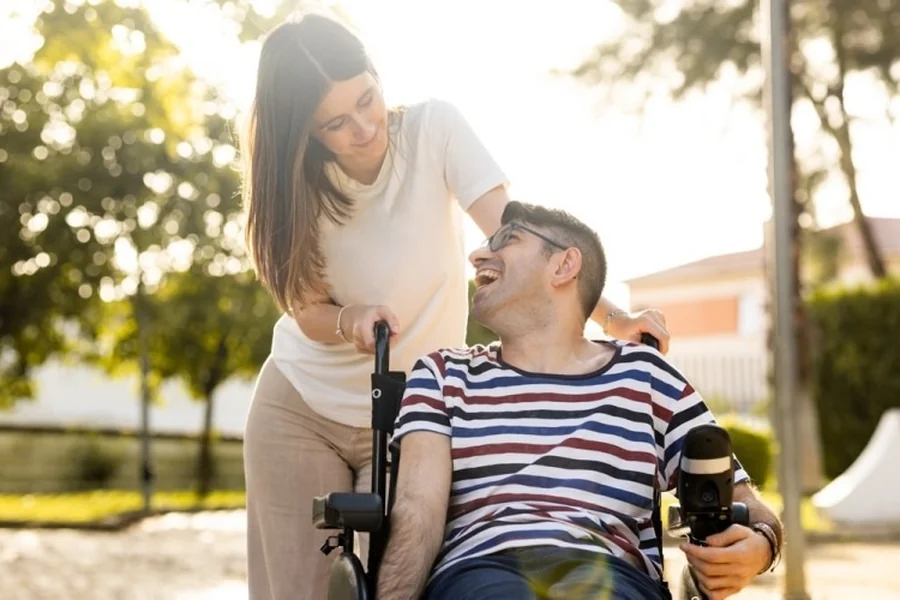
For individuals with disabilities, the road to independence can be filled with unique challenges and opportunities. While independence is a goal for many, achieving it often requires a structured environment that offers the necessary support to build confidence and develop daily living skills. This is where supported independent living programs step in, providing a platform for individuals to live autonomously while still receiving the tailored aid they need.
What is Supported Independent Living?
Supported independent living (SIL) refers to services designed to assist those with disabilities in living as independently as possible. These programs are centred around the needs and goals of the individual, offering essential support in areas such as personal care, managing household tasks, budgeting, and engaging socially within the community.
The Personal Empowerment of SIL
One of the most profound benefits of SIL is the personal empowerment it provides. As individuals grow to manage their daily routines, they gain confidence in their abilities. This sense of achievement fosters a greater level of self-esteem and autonomy, contributing to overall wellbeing.
Community Inclusion and Social Benefits
Through supported independent living programs, individuals are encouraged to forge connections with their local community. This integration not only counteracts the isolation often experienced by people with disabilities, but it also promotes understanding and inclusivity within society.
Customised Support Structured for Individual Needs
Supported independent living is not a one-size-fits-all approach. Each participant has a tailored support plan that is attuned to their specific needs, preferences, and aspirations. By receiving support that is personalised, participants can work towards their goals at a comfortable pace without being left to face challenges without assistance.
Enhanced Quality of Life Through Independence
Independence is intricately linked to quality of life. SIL programs open doors to new experiences, enabling individuals to lead fuller, more varied lives. From pursuing educational opportunities to taking part in leisure activities, SIL participants can enjoy the richness of life that comes with autonomy.
Building Life Skills for Long-Term Success
Life skills are the bedrock of independence. SIL programs intentionally focus on equipping participants with the skills required for daily living, such as cooking, cleaning, and maintaining personal hygiene. The development of these skills is critical for long-term success and can reduce the need for higher levels of care.
Fostering a Sense of Safety and Security
Living independently carries certain risks, but SIL programs provide a safety net. The presence of support workers in SIL arrangements ensures that individuals have ready access to help when necessary, thus creating a safe environment for learning and growth.
The Role of Technology in Supported Independent Living
Advances in technology are playing a transformative role in SIL programs. Assistive technologies and smart home features enable individuals to perform tasks which might otherwise be difficult, enhancing freedom and further fostering independence.
SIL as a Stepping Stone to Full Independence
For many, supported independent living serves as a stepping stone towards full independence. The program’s approach to gradually increasing responsibility allows participants to transition to more independent living arrangements in due time, at their own pace.
Economic Advantages of SIL Programs
Aside from the personal advantages, SIL programs can have economic benefits as well. By providing the necessary support to live independently, SIL can reduce the reliance on more expensive care options, offering a cost-effective solution for both individuals and society.
Improving Health Outcomes
Living in a supported independent environment can positively affect health outcomes. The support and education provided in SIL can lead to healthier lifestyle choices, and the increased level of activity and social interaction can contribute to both physical and mental health benefits.
Customisation and Flexibility of Services
The customisation and flexibility inherent in SIL programs ensure that as the needs of an individual change, so too can the support they receive. This adaptable approach can accommodate changes in circumstance, whether temporary or permanent, without sacrificing the goal of independence.
Conclusion: Embracing Independence through SIL
Supported independent living holds significant promise for individuals with disabilities, offering a multifaceted approach to independence that respects each person’s unique journey. By embracing SIL, participants can enjoy the benefits of living autonomously while having access to the necessary support to thrive. It symbolises not just a service provision, but a philosophy of empowerment, inclusion, and the celebration of individual potential in every aspect of life.
In the pursuit of an independent life that is both fulfilling and secure, SIL programs stand out as vital means of support. They reinforce the notion that independence, when built on a foundation of tailored assistance and communal support, is a viable and enriching goal for all.