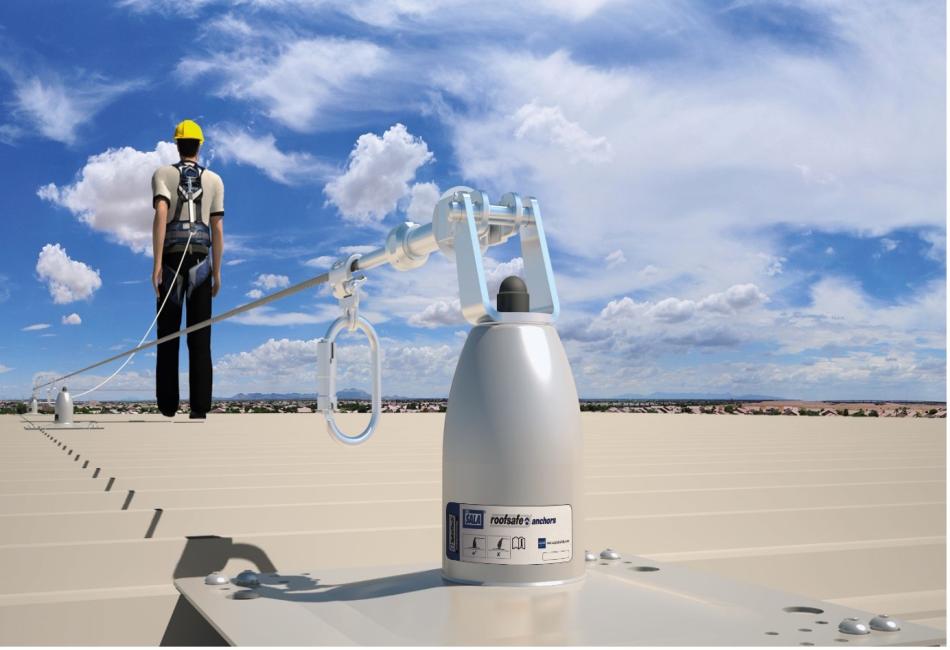
Despite advancements in workplace health and safety regulations, the risk of falls while working at heights remains a significant concern across various industries in Australia. Falls from heights are one of the leading causes of workplace fatalities and severe injuries. It underscores the necessity for robust height safety systems, particularly the installation of height safety anchor points, which are an essential component of a comprehensive fall prevention strategy. In this article, we explore why every Australian business that involves work at elevations must consider height safety anchor point installation as a non-negotiable safety measure.
Understanding the Risks Associated with Heightened Workplaces
In any industry where employees are required to work at elevated levels, whether on roofs, scaffolding, or ladders, the potential for falls is an ever-present threat. It is the responsibility of employers to ensure that their workforce is afforded maximum protection against these risks. The absence of appropriate fall arrest systems can lead to tragic accidents, costly litigation, and irreparable damage to a company’s reputation.
The Legal Imperative for Height Safety Compliance
Under Australian law, employers are legally obliged to provide a safe working environment for their employees. Regulators have established clear guidelines that necessitate the use of height safety systems, including anchor points, to mitigate the risk of falls. Businesses found in violation of these mandates could face severe penalties, including fines and legal action.
Advantages of Height Safety Anchor Point Installation
Height safety anchor points are pivotal in the architecture of fall arrest and restraint systems. They serve as secure points to which workers can attach lanyards, lifelines, and harnesses, providing a safe and controlled environment when working at heights. Anchor points offer several benefits:
Enhanced Worker Safety
The primary benefit of installing height safety anchor points is the considerable increase in worker safety. These points help in distributing and absorbing the force exerted during a fall, substantially reducing the risk of injury.
Regulatory Compliance
Adhering to stringent health and safety regulations is not optional. Installing certified height safety anchor points ensures that businesses comply with Australian Standards (AS/NZS 1891.4) and the Work Health and Safety Act.
Reduced Liability
Investment in proper fall prevention measures, such as anchor points, can mitigate the risk of accidents, thereby limiting a company’s liability in the event of a workplace fall. It also positions the business as a responsible and ethical employer, which can offer advantages in terms of staff retention and public perception.
Criteria for Selecting the Right Height Safety Anchor Points
Selecting the appropriate anchor points depends on several factors, including the nature of the work being performed, the structure’s architecture, and regulatory requirements. Here are some considerations for businesses:
Material and Load Capacity
Anchor points must be fabricated from high-quality materials capable of sustaining substantial loads. They should be designed to support not just the weight of an individual worker but also the forces generated during a fall.
Location and Frequency of Use
Each anchor point’s placement must be strategically planned to provide optimal coverage and functionality. Industries with frequent working at heights will require robust systems with multiple, easily accessible anchor points.
Professional Installation and Certification
Height safety anchor point installation is a specialised task that should be carried out by licensed professionals. Properly installed and certified anchor points ensure reliability and compliance with safety standards.
Being Roof Safe: The Role of Regular Maintenance
Installation is just the first step. Regular inspection and maintenance are crucial to guarantee the ongoing integrity of anchor points. Scheduled checks can identify and rectify potential weaknesses or damage, thus maintaining a roof safe environment at all times.
Maintenance Schedules
Height safety anchor points are subject to constant exposure to the elements and varying loads, which can lead to wear and tear. A predetermined maintenance schedule should be in place to ensure that any signs of deterioration are promptly addressed.
Record-keeping and Documentation
Accurate records of installation, inspections, maintenance, and repairs are imperative. This documentation provides traceability and is vital for demonstrating compliance during safety audits.
Conclusion
The installation of height safety anchor points is more than a mere safety measure; it is an investment in the well-being of employees and the longevity of an enterprise. Such a system engenders a safer working environment, allowing Australian businesses to maintain operational efficiency while ensuring their workforce is protected from the severe consequences associated with falls from heights. When considering an appropriate fall protection strategy, businesses should turn to trusted experts in the field of height safety to provide tailored solutions that meet both legal requirements and industry best practices. Ultimately, a supremely secure workplace is the cornerstone of sustaining productivity and fostering a culture of safety that benefits everyone involved.