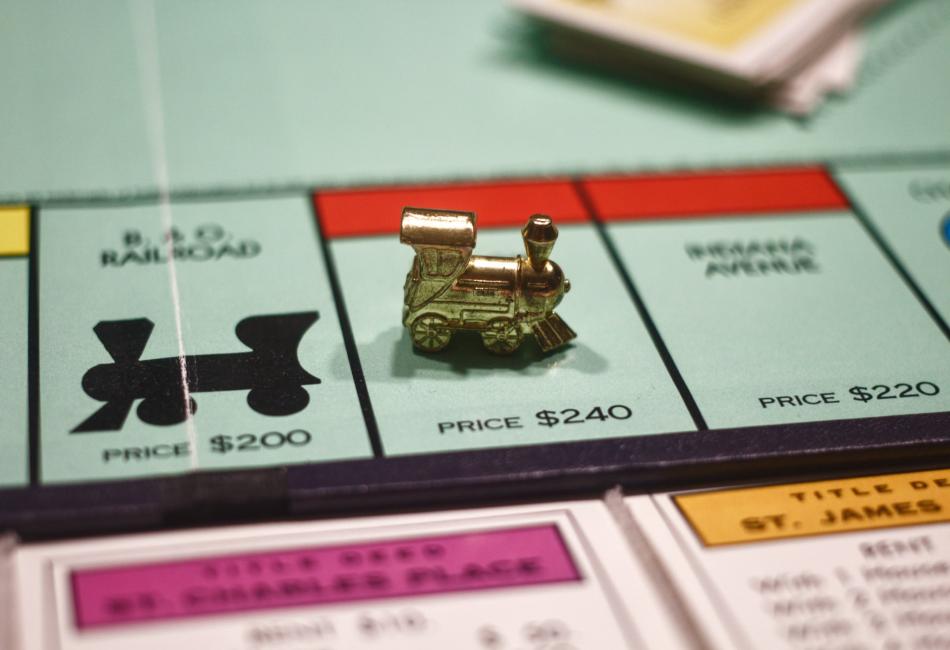
Monopoly remains a cultural ritual. Families open the same box, choose the same tokens, and retell the same legends about lucky rolls. The routine feels safe, yet competitive. That blend of comfort and contest keeps players returning. The board does not change, but the story always does, which is the magic.
From Kitchen Tables to Clicks
Nostalgia now travels easily between cardboard and screens. The monopoly big baller online game borrows the property trading thrill, the quick risk loops, and the chase for sets. It proves that familiar incentives still work in digital spaces. The rules feel known, the stakes feel fresh, and the feedback arrives instantly.
The Memory Machine
For many, Monopoly recalls first lessons about money, luck, and family politics. Parents explained rent, mortgages, and auctions across Saturday nights. Players remember where arguments happened and which hotel broke a cousin’s spirit. Those memories attach to the brand. Each new session revives a timeline, so the game doubles as a family archive.
Tokens, Bills, and the Pleasure of Props
The metal tokens clink. The pastel cash shuffles. Chance cards snap when turned. These small rituals carry sensory weight. Tactile cues mark progress better than a silent spreadsheet. They whisper scarcity and ownership. A stack of money on the table feels more persuasive than a number on a screen, which heightens engagement.
Memory Hooks That Stick
- Tiny Heirlooms: Tokens become signatures that pass through generations.
- Place Memories: Specific squares remind players of past windfalls or disasters.
- Story Loops: Repeated family tales anchor emotions to rules.
- Photogenic Moments: Big hotel builds create shareable highlights.
- Seasonal Rhythm: Holidays and reunions schedule inevitable rematches.
Strategy Meets Dice, and That Tension Hooks
Monopoly mixes calculation with chance. Players plan routes, track sets, and bargain for trades, yet dice interrupt certainty. That tension rewards both planners and gamblers. A smart trade matters, but a lucky roll can rewrite the script. Focus stays sharp since mastery never seems final or certain.
Negotiation as Theater
Table talk is the engine. Trades are performance, not paperwork. Bluffs, trade-offs, and give-and-take deals keep players engaged. A player who feels behind can still sway outcomes with a well framed offer. Social skill becomes currency. The game remains interactive, even between turns, which reduces boredom and raises emotional stakes.
Design Choices That Drive Compulsion
- Progress at a Glance: Houses and hotels make your momentum unmistakable.
- Near Misses: Landing one space before Boardwalk fuels replay desire.
- Rising Stakes: Late-game rent spikes trigger dramatic momentum shifts.
- Sunk Cost Gravity: Past investments push players to continue.
- Scarcity Drama: Few properties remain, so every auction feels crucial.
Economics With Training Wheels
Monopoly simplifies finance without removing pressure. Players learn liquidity, leverage, and opportunity cost by feeling them, not by reading them. Mortgage decisions and auction timing teach patience. Even losses educate, since missteps translate into concrete outcomes. The game turns abstract concepts into concrete experiences, helping the lessons stick long after play ends.
House Rules and Endless Remix
Few boards run strictly by the booklet. Free Parking jackpots, looser trading rules, and faster setups tailor the game’s tempo. Customized rules lessen stalemates and shorten marathons. That flexibility keeps the format alive. It becomes a platform rather than a single product, which encourages return visits and new experiments at every gathering.
Time Stretch and Endgame Drama
Monopoly compresses calm and chaos. Early turns feel light, then compound interest takes over. One hotel chain flips the table mood in minutes. Players chase survival lines, trading properties to dodge bankruptcy for one more lap. That elastic timing creates memorable crescendos. The curve flatters patience, which is rare in party games.
Digital Revivals Without Losing the Soul
Online editions provide fast matchmaking, streamlined bookkeeping, and configurable timers. They also keep the talk alive with chat and emotes. Spectators can follow a stream and cheer decisive auctions. Purists still favor the physical board, but digital editions cut the setup hassle, and the core loop remains intact. The mix of skill, risk, and rivalry remains intact.
Playing Healthily, Not Helplessly
Length and intensity can overwhelm. Simple fixes help. Agree on a time cap, use official auction rules to speed turns, and consider rapid variants for weeknights. Rotate table captains to keep peace. The goal is tension without fatigue. When sessions finish cleanly, enthusiasm returns faster, which protects the tradition for the next meeting.
Why the Spell Holds
Monopoly endures because it binds three forces. Ritual provides comfort. Rivalry fuels stories. Randomness keeps outcomes uncertain. Together they mimic real life in a friendly frame. People want to relive that dance. They want another smart trade, another narrow escape, another photo beside a red hotel. The board invites exactly that, again.