In the vibrant and dynamic world of Japanese animation, or anime, storytelling goes far beyond character development and breathtaking visuals. A subtle yet powerful aspect of anime’s identity is its logo—the graphic representation of a show’s name, theme, and spirit. Whether it’s the fiery font of Attack on Titan or the whimsical styling of My Neighbor Totoro, anime logos play a significant role in how fans identify, connect with, and remember their favorite series.
This article explores the fascinating world of anime logos—what they are, how they’re designed, why they matter, and how they reflect the tone and identity of the series they represent.
What Is an Anime Logo?
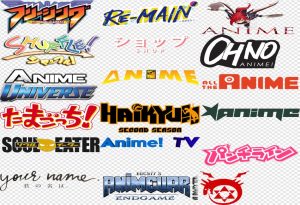
An anime logo is a stylized graphic representation of an anime series’ title. It often appears at the beginning of episodes, on promotional posters, merchandise, DVDs/Blu-rays, websites, and fan paraphernalia. These logos typically contain:
The anime title in stylized Japanese (Kanji, Katakana, or Hiragana) and/or English.
Unique fonts or typefaces crafted for visual identity.
Color schemes and effects that reflect the anime’s tone, genre, or storyline.
Symbols or artistic embellishments that relate to characters or plot elements.
Unlike Western media logos, which tend to be standardized for branding consistency, anime logos are often more expressive and visually varied. This is because they are considered an extension of the story’s emotional and aesthetic language.
The Role of Logos in Anime Identity
Just like a catchy opening theme song or a memorable character design, a well-crafted logo sets the tone for what viewers can expect. Here’s how anime logos contribute to a series’ identity:
1. Setting the Tone
For instance, the Death Note logo features Gothic, serif letters with a crucifix-inspired design, which hints at the dark, supernatural, and philosophical themes of the show. Meanwhile, One Piece‘s playful, pirate-themed logo—with its skull-and-crossbones embedded in the lettering—tells fans instantly that they’re in for an adventurous and lighthearted journey.
2. Enhancing Recognition
An anime logo helps fans immediately identify a series across different formats. Whether it’s on a convention banner, manga cover, or T-shirt, a distinctive logo helps maintain brand recognition. For globally recognized franchises like Naruto, Dragon Ball, or Demon Slayer, the logos are almost as iconic as the shows themselves.
3. Invoking Emotion
Over time, logos become emotionally charged for fans. Seeing the Your Name logo might immediately remind viewers of its romantic and melancholic tones. A logo becomes a symbol of the memories, emotions, and themes associated with the anime.
Design Elements in Anime Logos
Anime logo design is both an art and a marketing strategy. Let’s break down the key elements that designers often consider:
Typography
Typography is central to any logo. Some anime series commission custom-designed fonts to evoke a certain atmosphere.
Sharp, angular fonts are often used in action-packed or dystopian series like Attack on Titan.
Soft, rounded fonts are favored in slice-of-life or romance series such as Clannad or K-On!.
Traditional brushstroke styles evoke a sense of historical or samurai themes, used in anime like Rurouni Kenshin.
Color Psychology
Colors have strong psychological effects. Designers use them carefully to reinforce the anime’s genre and tone:
Red and black are used for intensity, danger, or passion (Akame ga Kill, Tokyo Ghoul).
Blue and white often signify tranquility or science fiction (Steins;Gate, Neon Genesis Evangelion).
Pink and pastel colors typically denote romance, innocence, or magical girl genres (Cardcaptor Sakura, Madoka Magica).
Symbolism and Iconography
Many anime logos incorporate symbolic elements—like swords, hearts, flames, or wings—into or around the text.
For example:
The Bleach logo uses a stylized flame-like shape in its design to echo the fiery battles and intense energy of the Soul Reapers.
Fairy Tail features a tail-like symbol that also resembles a wing or flame, tying into both the guild’s name and the series’ themes of adventure and magic.
Iconic Anime Logos and What Makes Them Memorable
1. Naruto
The Naruto logo is written in a hand-drawn brush style with bright orange and blue hues. The swirling spiral, or “Uzumaki,” reflects the main character’s last name and his energetic, whirlwind-like personality.
2. Attack on Titan (Shingeki no Kyojin)
The Attack on Titan logo uses blocky, military-style lettering and a crumbling effect to convey a war-torn, apocalyptic atmosphere. Its Japanese version even incorporates medieval aesthetics.
3. Demon Slayer: Kimetsu no Yaiba
This logo features bold brushstrokes, circular framing, and a red color scheme—signifying tradition, violence, and intensity. It reflects the anime’s mix of historical setting and supernatural demon-slaying battles.
4. One Piece
The One Piece logo is fun, colorful, and pirate-themed. The “O” in “One” contains a skull and crossbones, and the crossbar of the “E” is replaced with Luffy’s iconic straw hat. These small details instantly convey the spirit of adventure and the show’s main character.
Anime Logo Evolution Over Time
Some long-running series have updated their logos across different arcs, movies, or reboots. These changes often reflect thematic shifts in the story:
Dragon Ball Z to Dragon Ball Super: The logo became sleeker and more modern, signifying a new era of storytelling.
Sailor Moon had multiple logos for its different seasons and the 2014 reboot Sailor Moon Crystal, each adapting to the times and tone.
This adaptability shows that anime logos aren’t just static icons—they evolve with their narratives and audiences.
Anime Logos in Merchandise and Marketing
Beyond their on-screen presence, anime logos are central to marketing efforts. They appear on:
Clothing and accessories (T-shirts, bags, pins)
Posters and wall art
Manga volumes and DVD/Blu-ray covers
Convention banners and exhibits
Collectible cards and toys
Strong, recognizable logos help anime studios build a consistent visual identity that resonates with fans and boosts brand loyalty.
Creating Fan-Made Anime Logos
The popularity of anime logos has led to a surge in fan-made recreations and reinterpretations. Artists often design mashups, parody logos, or Western-style versions of popular anime titles. Tools like Adobe Illustrator or free apps like Canva have empowered fans to create their own anime-style logos for original content, YouTube channels, or cosplay events.
Some fans even commission custom logos for fanfiction projects, doujinshi (self-published manga), or anime-themed businesses.
Cultural Influence of Anime Logos
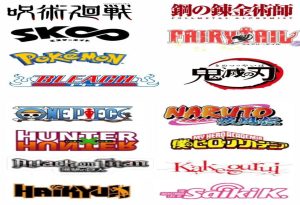
Anime logos are now recognized far beyond Japan. They have become symbols in global pop culture, adorning skateboards, sneakers, tattoo designs, and even university dorm walls. As anime becomes more mainstream, the logos act as subtle codes—symbols that indicate membership in a global fandom.
You might wear a Bleach hoodie not just because you love the show, but because the logo connects you to a wider community of fans who “get it.”
Conclusion: More Than Just a Name
Anime logos are more than typographic flair—they’re an essential part of a series’ storytelling toolkit. They distill complex emotions, themes, and identities into a single visual element. Whether through fiery fonts, soft curves, or symbolic designs, these logos create a lasting impression that stays with viewers long after the final episode airs.
In a media landscape saturated with content, a great anime logo doesn’t just say the name—it tells a story.